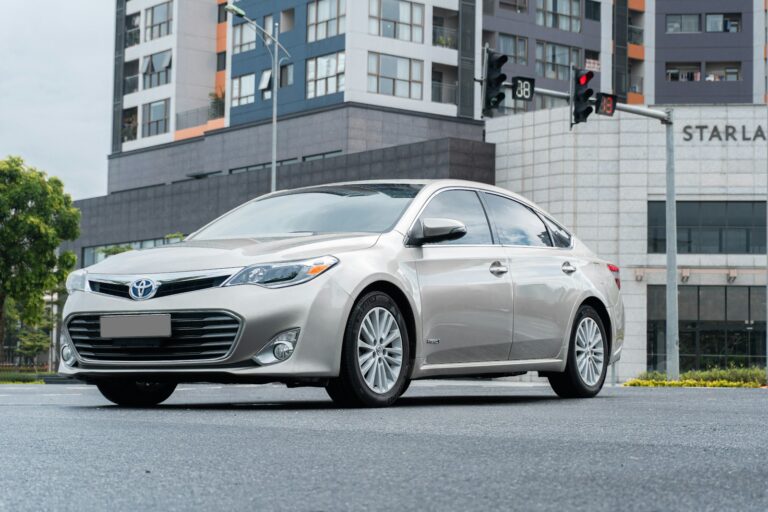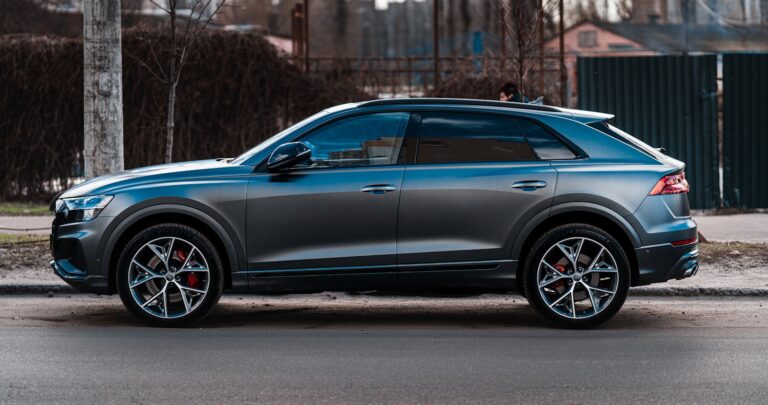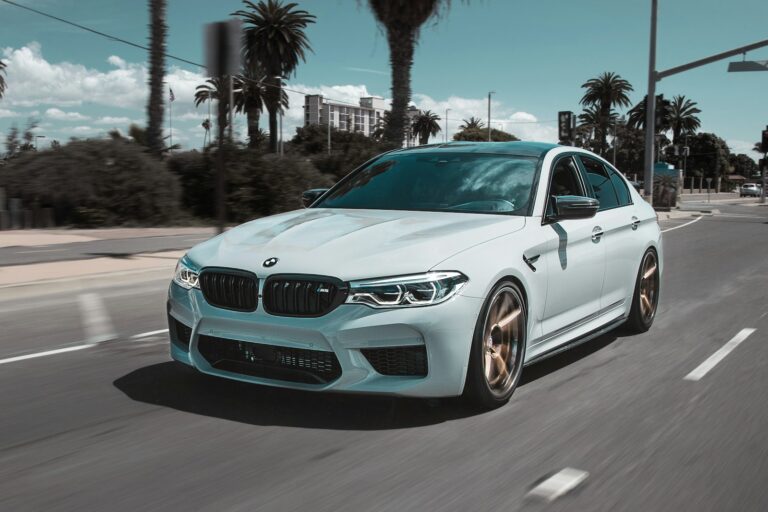
German Car Companies vs British Car Companies: Who Makes the Top Cars?
The rivalry between European automotive giants is legendary. For decades, the global auto industry has been defined by a battle of philosophies between two powerhouses. On one side, we have the precision and engineering dominance of German car companies. On the other side, we have the heritage, style, and aristocratic charm of British car companies.
For the American buyer in 2026, choosing between these two is not just about transportation. It is about choosing a lifestyle. It is a choice between the cold efficiency of the Autobahn and the soulful craftsmanship of the British countryside. In this detailed comparison, we will analyze which nation currently produces the top cars in the luxury segment and help you decide where to put your money.
The Philosophy of German Car Companies
When people think of German car companies, one word usually comes to mind. That word is engineering. Brands like Mercedes-Benz, BMW, Audi, Porsche, and Volkswagen have built their reputations on technical perfection.
The Autobahn Influence
The existence of the Autobahn has shaped the DNA of every German vehicle. These cars are designed to travel at speeds exceeding 150 miles per hour safely and comfortably. This requirement forces German car companies to prioritize chassis stiffness, braking power, and high-speed stability above all else.
When you shut the door of a Mercedes-Benz S-Class, it sounds like a bank vault closing. That solid “thunk” is not an accident. It is the result of thousands of hours of research into materials and assembly quality. This obsession with build quality is why German sedans are often the benchmark for the entire auto industry.
Technology First
German manufacturers are typically the first to introduce new technology to the market. Anti-lock brakes, stability control, and modern fuel injection were all popularized by German engineering. Today, they are leading the charge in autonomous driving systems and infotainment integration. If you want the absolute latest gadgetry and screens that stretch across the dashboard, a German car is usually the answer.
The Soul of British Car Companies
If Germany is the brain of the automotive world, Britain is the heart. British car companies like Jaguar, Land Rover, Bentley, Rolls-Royce, Aston Martin, and Mini focus on the emotional connection between the machine and the driver.
Design and Craftsmanship
A British car is often described as having “waftability.” This term describes the effortless way a Rolls-Royce or a Range Rover moves down the road. It floats over bumps rather than attacking them.
The interiors of the top cars from the UK often feel more like exclusive gentlemen’s clubs than airplane cockpits. They use thicker leather, deeper wool carpets, and real wood veneers that are mirror-matched by hand. British car companies are masters of aesthetics. A Jaguar F-Type or an Aston Martin DB12 is not just a car. It is a piece of rolling sculpture. They are designed to be beautiful first and functional second.
The “Cool” Factor
There is an intangible element of coolness associated with British marques. James Bond drives an Aston Martin. The Royal Family rides in Bentleys and Range Rovers. Driving a British car makes a statement about taste and individuality. It says that you value heritage and style over pure specification sheets.
Reliability and Ownership Costs
This is the most contentious topic in the auto industry. Historically, both nations have struggled with reliability, but for different reasons.
German Complexity
German car companies love complexity. They will use ten sensors where one would suffice if it makes the car 1% more efficient. When these cars are new and under warranty, they are magnificent. However, as they age, this complexity becomes a liability. Plastic cooling pipes become brittle and intricate electronics can fail. Maintenance on a BMW or Audi out of warranty is notoriously expensive. You need specialized tools and certified mechanics.
British Eccentricity
British car companies have a reputation for “electrical gremlins.” In the past, this was due to poor manufacturing standards. In 2026, the quality has improved significantly, especially since many British brands are now owned by larger global groups (BMW owns Mini/Rolls-Royce, VW owns Bentley, Tata owns JLR). However, data from consumer reports still often places brands like Land Rover near the bottom of reliability charts. The engines are often robust, but the infotainment screens or air suspension systems can be temperamental.
Segment by Segment Comparison
To determine who makes the top cars, we must look at specific categories.
1. The Executive Sedan
- Germany: Mercedes-Benz S-Class / BMW 7 Series
- Britain: Bentley Flying Spur / Rolls-Royce Ghost
The S-Class is the global standard for luxury sedans. It offers incredible technology and comfort at a high but attainable price point. The British competitors operate in the ultra-luxury stratosphere. While a Bentley is more exclusive, the S-Class is objectively the better car for daily use due to its reliability and advanced driver aids. Winner: Germany
2. The Luxury SUV
- Germany: BMW X5 / Porsche Cayenne
- Britain: Range Rover / Land Rover Defender
This is where British car companies fight back hard. The Range Rover is an icon. It offers off-road capability that the German SUVs simply cannot match, combined with an aristocratic image. A Porsche Cayenne handles better on a race track, but a Range Rover feels more special to drive in the real world. Winner: Britain
3. The Sports Car
- Germany: Porsche 911
- Britain: Jaguar F-Type / Aston Martin Vantage
The Porsche 911 is widely considered the best sports car in the world. It is reliable enough to drive every day and fast enough to win races on the weekend. The British alternatives are beautiful and sound incredible, but they lack the clinical precision and resale value of the Porsche. Winner: Germany
The Impact of Electrification
The shift to electric vehicles (EVs) is leveling the playing field in the auto industry. Both nations are rushing to adapt.
German car companies have moved aggressively. The Mercedes EQ lineup and BMW i-Series are selling in high volumes. They are applying their typical engineering rigor to battery efficiency and aerodynamics.
British car companies are taking a different approach. Jaguar has pledged to become an all-electric luxury brand. Rolls-Royce has launched the Spectre, arguably the finest electric car ever made because the silence of an electric motor fits the brand’s philosophy perfectly. However, mass-market British EVs are slower to arrive compared to their German counterparts.
Resale Value and Market Perception
When you spend $80,000 or more on a vehicle, you want to know if it will hold its value.
Generally speaking, German car companies produce vehicles that depreciate heavily initially but stabilize. Models like the Porsche 911 are exceptions and hold value incredibly well.
British car companies can be risky. A Range Rover or Jaguar can lose 50% of its value in the first three years due to fears over long-term reliability. However, this makes them excellent buys on the used market for brave consumers.
The Verdict: Which is Better?
Deciding who makes the top cars depends on what you value as a driver.
Choose a German Car If:
- You value technology and performance metrics above all else.
- You want a car that feels solid, precise, and safe at high speeds.
- You prefer a modern, screen-heavy interior interface.
- You plan to lease the vehicle for three years and then return it.
Choose a British Car If:
- You want a car with personality and emotional appeal.
- You value exterior design and interior craftsmanship over lap times.
- You want to stand out from the sea of German sedans in the corporate parking lot.
- You are buying an SUV and want the authentic “King of the Road” feeling that only a Range Rover provides.
Conclusion
The battle between German car companies and British car companies drives the entire auto industry forward. It forces German engineers to add more soul to their machines and compels British designers to improve their build quality.
For the pragmatic buyer in 2026, Germany still holds the edge in reliability and technology. However, for the buyer who wants to fall in love with their machine every time they open the garage door, Britain remains the undisputed champion of style. Whichever you choose, ensure you have a robust warranty and a good relationship with your local specialist mechanic.