Toyota vs Honda: Which Brand Has the Best Blue Book Car Value in 2026?
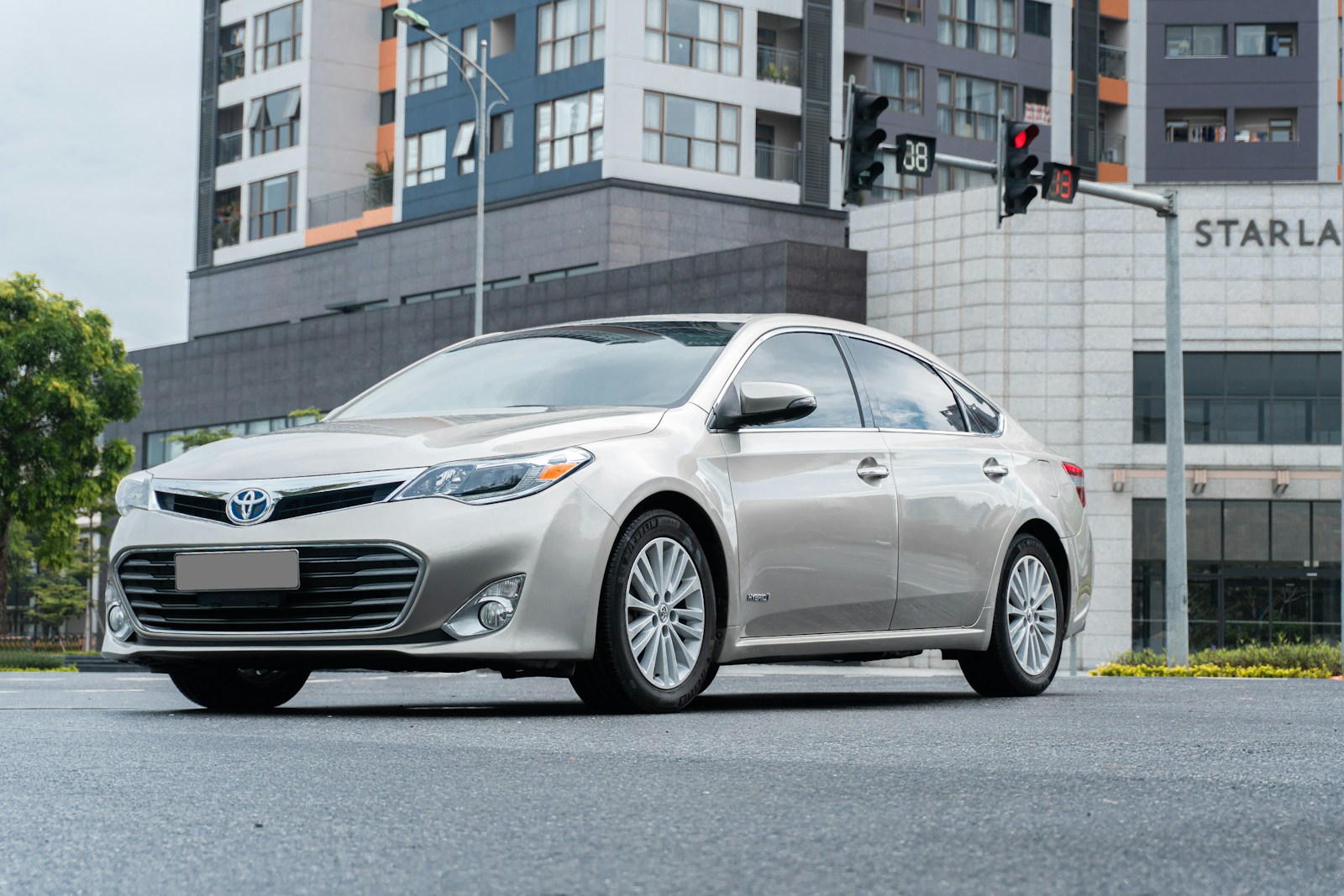
The rivalry between Toyota and Honda is the most significant battle in the automotive world. For decades, these two Japanese giants have dominated the driveways of American families. They are the default choices for reliability and practicality. However, for the smart buyer in 2026, the decision often comes down to one financial metric. That metric is resale value.
When you look up the blue book car value of your vehicle five years from now, which logo on the grille will put more money back in your pocket? Understanding depreciation is just as important as negotiating the purchase price. In this head-to-head comparison, we will analyze current market data, investigate used car values, and determine which brand reigns supreme in retaining its worth.
Understanding Car Valuation Metrics
Before comparing the brands, it is vital to understand how the industry calculates worth. Tools like the Kelley blue book car value guide are the gold standard. They aggregate millions of transactions to give consumers a realistic price range.
What Influences Value?
Several factors drive the KBB car value of a specific model.
- Reliability Reputation: Cars that break less often are worth more.
- Supply and Demand: If everyone wants a used RAV4 but there are few for sale, the price rises.
- Incentives on New Cars: If a manufacturer offers massive rebates on new models, the value of used models drops immediately.
Toyota and Honda generally excel in all these categories. They rarely flood the market with cheap fleet sales. They maintain high quality. This is why their used car values remain historically high compared to American or German competitors.
The Case for Toyota
Toyota is often cited as the undisputed king of resale value. The brand has cultivated an image of indestructibility. From the humble Corolla to the massive Tundra, buyers trust that a Toyota will run forever.
Truck and SUV Dominance
Toyota has a massive advantage in the truck segment. The Toyota Tacoma is legendary for holding its value. It is not uncommon to see a used Tacoma selling for nearly the same price as a new one. This anomaly significantly boosts the average blue book car value for the entire brand.
Similarly, the 4Runner and Land Cruiser are icons. Their body-on-frame construction makes them desirable for off-road enthusiasts. This niche demand ensures that their KBB car value barely drops even after a decade of use.
Hybrid Technology
Toyota pioneered the hybrid market with the Prius. As gas prices fluctuate in 2026, the demand for reliable used hybrids has skyrocketed. Toyota has more hybrids on the road than anyone else. This availability and trust translate into strong resale figures for their electrified lineup.
The Case for Honda
Honda engineers cars that are often more engaging to drive than their Toyota counterparts. They focus on clever packaging and engine efficiency. While Toyota is conservative, Honda pushes the envelope slightly more with turbocharging and sporty handling.
The Civic and Accord Legacy
The Honda Civic and Accord are staples of the used market. For many years, the Civic held its value better than the Corolla because it appealed to both commuters and car enthusiasts. Young buyers often seek out used Civics for modification. This secondary market demand keeps the used car values of older Hondas surprisingly high.
Crossover Consistency
The Honda CR-V is a direct rival to the Toyota RAV4. In terms of Kelley blue book car value, these two fight a close war. The CR-V often wins on interior space and family-friendly features. This makes it highly desirable for growing families looking for a secondhand bargain, which in turn keeps the prices stable.
Head-to-Head Depreciation Analysis
Let us look at the numbers. According to recent industry data, the average vehicle loses about 40 percent of its value in the first five years. Both Toyota and Honda perform much better than this average.
Scenario A: The Mid-Size Sedan
Compare a Toyota Camry to a Honda Accord. After five years, a Camry typically retains about 49 percent of its original MSRP. The Honda Accord follows closely at around 47 percent. The difference is negligible. However, the Camry often edges ahead slightly because it appeals to a broader, more conservative demographic.
Scenario B: The Compact SUV
Compare a Toyota RAV4 to a Honda CR-V. Here, the blue book car value is almost identical. Both vehicles are in such high demand that depreciation is slow. However, the RAV4 Hybrid and Prime models command a significant premium over standard CR-V models due to their performance and efficiency combination.
Scenario C: The Minivan
Compare a Toyota Sienna to a Honda Odyssey. The Sienna, having switched exclusively to a hybrid powertrain earlier, holds a unique spot in the market. Fuel-conscious families drive up the KBB car value of used Siennas. The Odyssey is excellent, but its traditional V6 engine scares off some buyers worried about gas prices.
Maintenance and Long-Term Ownership
Resale value is also tied to the cost of ownership. A car that is cheap to fix is easier to sell.
Toyota generally uses older, proven technology. Their infotainment systems might feel dated, but they rarely fail. This simplicity keeps maintenance costs low.
Honda engines are bulletproof, but they have had minor issues with transmissions and infotainment screens in recent years. These small blemishes can slightly affect the used car values as the vehicles age past the 100,000-mile mark. Buyers checking the Kelley blue book car value will often adjust their offers based on these known common issues.
Strategies to Maximize Your Resale Value
Regardless of whether you choose Toyota or Honda, you can take steps to protect your investment.
- Keep Records: A full folder of service receipts proves the car was loved. This is the single best way to get the upper end of the blue book car value range.
- Choose Neutral Colors: Silver, white, and black cars sell faster and for more money than bright yellow or green cars.
- Avoid Excessive Modifications: Lowering a car or adding a loud exhaust lowers its value to the general public. Keep it stock.
The Verdict: Toyota Wins by a Hair
If your only goal is to minimize financial loss, Toyota is the winner in 2026.
The brand’s dominance in the truck and true SUV sectors gives it an edge that Honda cannot match. A Toyota Tacoma or 4Runner acts like a savings account. Furthermore, their early commitment to hybrids across the entire lineup puts them in a favorable position as fuel economy becomes critical.
However, Honda is a very close second. If you prefer the way a Honda drives, buy the Honda. The difference in KBB car value over five years might only be a few hundred dollars. That is a small price to pay for a car you enjoy driving every day.
Conclusion
In the battle of used car values, there are no losers here. Both Toyota and Honda offer exceptional financial security compared to domestic or European brands.
When you are ready to sell, checking the Kelley blue book car value will likely bring a smile to your face regardless of which Japanese giant you chose. They are the gold standard of the industry. For the absolute maximum return on investment, look towards Toyota trucks and hybrids. For a balance of value and driving dynamics, Honda remains an incredible choice.