
Synthetic Oil vs Conventional Oil: Which is Best for Your Engine in 2026?
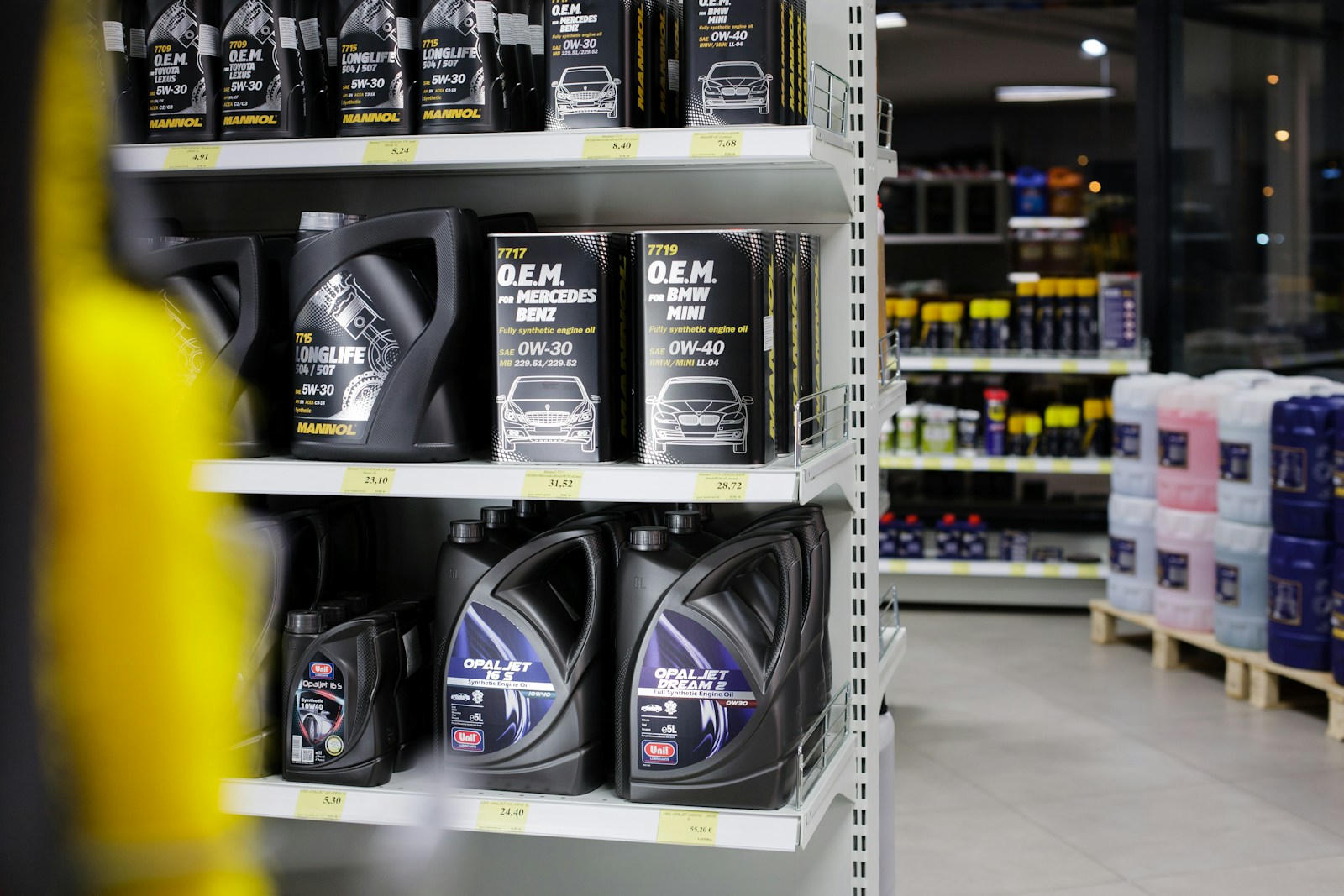
You are standing at the service counter of your local auto shop. The mechanic asks a simple question that stumps millions of drivers every year. Do you want regular or synthetic oil? The price difference is significant. A conventional oil change might cost $40 while a synthetic oil change can cost upwards of $80 or $100.
Is the premium price really worth it? Or is it just a marketing upsell designed to drain your wallet? In the modern era of automotive engineering, the answer is almost always yes. Oil technology has advanced alongside engine technology. Understanding the chemical differences between synthetic oil vs conventional oil is essential for proper auto care. In this guide, we will break down the science, the costs, and the benefits to help you choose the best motor oil for your vehicle.
The Role of Motor Oil
Before comparing the types, we must understand the job description. Oil is the lifeblood of your engine. It performs three critical functions.
- Lubrication: It creates a thin film between moving metal parts. Without it, your engine would seize in seconds.
- Cooling: It carries heat away from the combustion chamber.
- Cleaning: It picks up dirt and sludge particles and deposits them in the oil filter.
If you choose the wrong oil, these functions are compromised. This leads to premature wear and expensive repairs.
What is Conventional Oil?
Conventional oil is the traditional choice. It begins its life as crude oil pumped from the ground. It is then refined in a factory to remove impurities. However, because it is a natural product, the molecules are inconsistent. They vary in size and shape.
The Pros
The primary advantage of conventional oil is cost. It is cheap to produce. For drivers on a strict budget with older vehicles, it is an acceptable option. If you drive a 1990s sedan with a simple engine, conventional oil offers adequate protection if changed frequently.
The Cons
The irregular molecular structure is a weakness. Under high heat, conventional oil breaks down quickly. It can vaporize or turn into sludge. In extreme cold, it thickens like molasses. This makes the engine hard to start and delays lubrication during those critical first seconds of operation.
What is Synthetic Oil?
Synthetic oil is a product of science. It is chemically engineered in a laboratory. The process breaks down petrochemicals and rebuilds them molecule by molecule. The result is a fluid where every molecule is uniform in size and shape.
Superior Flow
Because the molecules are uniform, the internal friction of the fluid is lower. Synthetic oil flows instantly. When you start your car on a freezing morning, synthetic oil reaches the top of the engine almost immediately. Conventional oil takes longer. This reduction in “start-up wear” is the biggest reason why engines using synthetic oil last longer.
Heat Resistance
Modern engines run hot. Turbochargers spin at incredibly high speeds and generate massive heat. Synthetic oil resists breaking down at these extreme temperatures. It does not evaporate as easily as conventional oil. This means your oil level stays consistent between changes.
Cleaning Power
Synthetic oils contain high-quality additives and detergents. They aggressively clean engine deposits. If you switch to the best motor oil in the synthetic category, it can actually dissolve sludge left behind by cheap conventional oil.
The Synthetic Blend Compromise
There is a middle ground. It is called synthetic blend or semi-synthetic. This is a mixture of conventional and synthetic base stocks. It offers some of the protection of synthetic at a lower price point. Many manufacturers use this as the factory standard for trucks and SUVs. It is a good choice for drivers who want better protection than conventional but are not ready to pay for full synthetic.
The Cost-Benefit Analysis
The sticker shock of a synthetic oil change scares many people. However, you must look at the math over a year.
Conventional Schedule
Conventional oil degrades fast. Most mechanics recommend changing it every 3,000 to 5,000 miles. If you drive 15,000 miles a year, you need three to five oil changes.
- 5 changes x $40 = $200 per year.
- Time investment: 5 trips to the shop.
Synthetic Schedule
Synthetic oil is robust. Most manufacturers allow intervals of 7,500 to 10,000 miles. If you drive 15,000 miles a year, you only need two changes.
- 2 changes x $90 = $180 per year.
- Time investment: 2 trips to the shop.
In this scenario, synthetic oil is actually cheaper. You save money and you save time. Plus, your engine is better protected. It is a win-win situation.
Common Myths About Synthetic Oil
Misinformation spreads easily in the automotive world. Let us debunk the biggest myths.
Myth 1: You cannot switch back. Some people believe that once you use synthetic, you can never use conventional again. This is false. You can switch back and forth as much as you like. The oils are compatible.
Myth 2: Synthetic oil causes leaks. In the 1970s, early synthetic formulations shrank rubber seals and caused leaks. This was solved decades ago. Modern synthetic oil actually contains conditioning agents to keep seals soft and flexible. It does not cause leaks. However, it might find an existing leak faster because it flows better.
Myth 3: New cars need a “break-in” on conventional. This is outdated advice. Many high-performance cars like Corvettes and Porsches leave the factory filled with Mobil 1 synthetic. You can use synthetic from day one.
Finding the Best Oil Change Near Me
When you type oil change near me into your phone, you will see dozens of options.
Quick Lube Shops
Places like Jiffy Lube or Valvoline Instant Oil Change are convenient. You stay in your car. They are fast. However, they will always try to upsell you. They make their profit margin on air filters and wipers. Be firm. Tell them you just want the synthetic oil change.
Dealerships
Dealerships know your car best. They will use the OEM filter and the exact viscosity recommended by the factory. Prices at dealerships have become very competitive recently. They often offer coupons for synthetic changes to get you in the door.
Independent Mechanics
Local shops build relationships. They might inspect your brakes and suspension for free while the oil drains. This is valuable auto care.
Choosing the Best Motor Oil Brand
If you change your own oil, you have many choices at the auto parts store.
- Mobil 1: The original mainstream synthetic. It is the factory fill for many luxury brands.
- Pennzoil Platinum: Made from natural gas, not crude oil. It claims to keep pistons cleaner than any other oil.
- Valvoline: Excellent for high-mileage engines. Their “MaxLife” synthetic blend is famous for stopping leaks in older cars.
- Castrol Edge: Known for film strength. It is a great choice for engines that are driven hard.
Always check the API starburst symbol on the bottle. This ensures the oil meets current industry standards.
Conclusion
The debate is effectively over. In 2026, synthetic oil is superior in every measurable way. It flows better in the cold. It protects better in the heat. It lasts longer. The slightly higher upfront cost is an investment that pays dividends in engine longevity and fuel efficiency.
Unless you are driving a classic car that requires specific additives found in old-style oils, you should switch to synthetic immediately. Consult your owner’s manual for the correct viscosity. Book a synthetic oil change today. Your engine will run smoother, cooler, and longer because of it.