Ceramic vs Semi-Metallic Brake Pads: Which is Safest for Your Car in 2026?
When you press the brake pedal, you expect your car to stop. It is a simple action with complex mechanics behind it. The most critical component in this system is the humble brake pad. It is the friction material that clamps onto the spinning rotor to halt a two-ton vehicle.
Eventually, every driver hears that dreaded squeal. It is the sound of worn-out pads. When you visit car shops near me or browse online parts stores for replacements, you are faced with a choice. Do you buy ceramic brake pads or semi-metallic brake pads?
The difference is not just price. It affects stopping distance, wheel cleanliness, noise levels, and rotor life. Making the wrong choice can lead to noisy braking or reduced performance in winter weather. In this comprehensive guide to auto care, we will break down the science of friction materials to help you choose the safest option for your specific driving style.
Understanding Brake Pad Technology
Brake pads work by converting kinetic energy into heat. To do this, they use a sacrificial material that rubs against a metal disc. In the past, manufacturers used asbestos because it handled heat well. However, due to severe health risks, the industry shifted to safer alternatives decades ago. Today, the market is dominated by three main types: Organic, Semi-Metallic, and Ceramic.
The Problem with Organic Pads
Most economy cars come from the factory with Non-Asbestos Organic (NAO) pads. These are made of rubber, glass, and resin. They are quiet and cheap. However, they wear out incredibly fast and create a lot of black dust. For this comparison, we will focus on the two superior upgrades: Ceramic and Semi-Metallic.
Deep Dive: Semi-Metallic Brake Pads
Semi-metallic brake pads are the workhorses of the automotive world. As the name suggests, they contain metal. They are typically composed of 30 percent to 65 percent metal content. This includes chopped steel wool, iron powder, copper, and graphite mixed with friction modifiers.
The Performance Advantage
Metal is an excellent conductor of heat. When you brake hard, the heat is pulled away from the rotor and into the pad. This prevents the brakes from fading during repeated heavy use. This makes semi-metallic brake pads the preferred choice for heavy-duty applications.
The Downside
Metal is hard. It is abrasive. Because these pads are harder than ceramic options, they tend to “chew” on the brake rotors. This leads to faster rotor wear. Additionally, metal-on-metal friction is noisy. These pads are more likely to squeal, especially on cold mornings.
Deep Dive: Ceramic Brake Pads
Ceramic brake pads entered the US market in the 1980s as a premium alternative. They are made from a dense ceramic compound similar to pottery or porcelain, reinforced with embedded copper fibers.
The Comfort Advantage
The primary selling point of ceramic is silence. The material dampens vibrations that cause squealing. If you hate noisy brakes, ceramic is the answer. Furthermore, they are incredibly clean. As they wear, they produce a fine, light-colored dust that does not stick to your wheels. This keeps your alloy rims looking shiny for weeks.
The Downside
Ceramic is an insulator. It does not absorb heat well. This means the heat stays in the rotor and the caliper. In extreme racing conditions or heavy towing, this can boil the brake fluid and cause brake failure. They are also typically the most expensive option on the shelf.
Head-to-Head Comparison
To decide which is better, we must look at specific auto care metrics.
1. Stopping Power (Cold)
You are pulling out of your driveway on a freezing January morning. You hit the brakes. Semi-Metallic pads have excellent “cold bite.” They grab instantly regardless of temperature. Ceramic pads often need to warm up slightly to reach maximum efficiency. In extreme cold, they might feel wooden for the first stop or two. Winner: Semi-Metallic
2. Stopping Power (Hot)
You are driving down a mountain pass or towing a boat. Semi-Metallic pads thrive here. They dissipate heat and resist fade. Ceramic pads are good for daily driving heat but can struggle with extreme thermal loads. Winner: Semi-Metallic
3. Noise and Vibration
Semi-Metallic pads are naturally louder. Ceramic pads operate at a frequency that is often outside the range of human hearing. They are whisper quiet. Winner: Ceramic
4. Dust and Cleanliness
Semi-Metallic pads produce corrosive black dust. If you do not wash your wheels, it can pit the finish. Ceramic dust is non-corrosive and nearly invisible. Winner: Ceramic
5. Durability and Rotor Life
Semi-Metallic pads last a long time but eat rotors. You will likely need to replace rotors every time you change pads. Ceramic pads are gentler. They extend the life of your expensive rotors significantly. Winner: Ceramic
Which One Should You Buy?
The “best” pad depends entirely on what you drive and how you drive it.
Scenario A: The Daily Commuter
You drive a Toyota Camry or a Honda CR-V. You drive in stop-and-go traffic. You hate cleaning your wheels. Verdict: Buy Ceramic brake pads. The quiet operation and low dust make them perfect for daily luxury and comfort. The slightly higher price is worth it for the lack of noise.
Scenario B: The Truck Owner
You drive a Ford F-150 or a Chevy Silverado. You tow a trailer or haul heavy loads of lumber. Verdict: Buy Semi-Metallic brake pads. You need the stopping power and heat dissipation. Ceramic pads might overheat if you try to stop a 7,000-pound trailer on a steep hill. The extra dust is a fair trade-off for safety.
Scenario C: The Performance Enthusiast
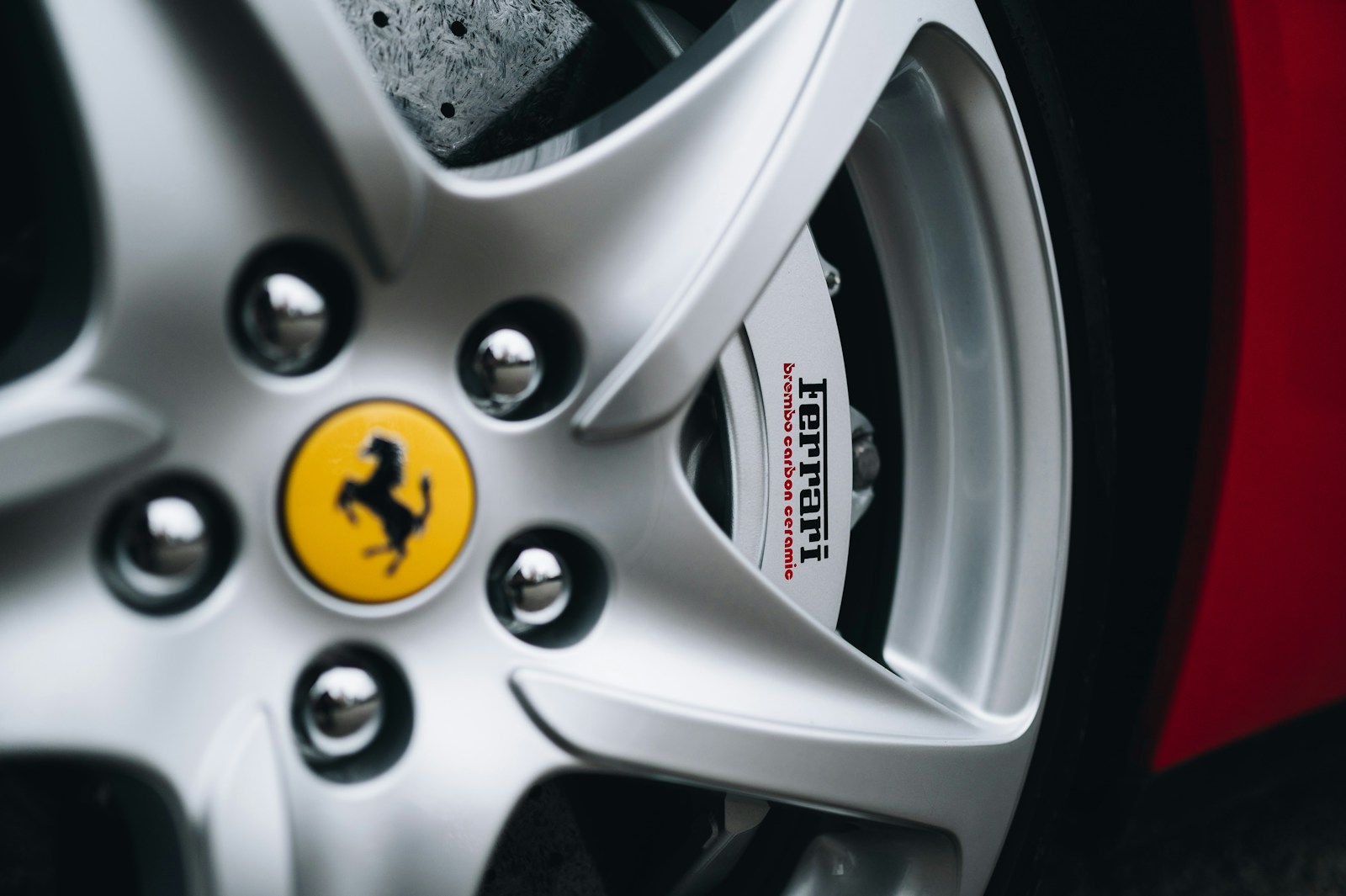
You drive a BMW M3 or a Mustang GT. You drive aggressively on winding roads. Verdict: Stick with aggressive Semi-Metallic brake pads. While some high-end sports cars use carbon-ceramic rotors (a different technology entirely), for standard iron rotors, a semi-metallic compound offers the bite and feedback that performance drivers crave.
DIY Installation vs. Car Shops Near Me
Changing brake pads is a common DIY project. It usually requires a jack, a lug wrench, and a C-clamp to compress the caliper piston.
When to DIY
If you are handy and have the tools, you can save significant money. A set of high-quality ceramic brake pads might cost $60 online. A shop might charge $250 to install them.
When to Visit a Pro
If you hear grinding noises, your rotors are likely destroyed. If the brake pedal feels spongy, you might have air in the lines. These are safety-critical issues. Search for car shops near me and let a certified mechanic handle the job. They can inspect the calipers, flush the fluid, and ensure the system is safe.
The Cost Analysis in 2026
Prices have risen, but brakes remain one of the most affordable maintenance items relative to their importance.
- Economy Semi-Metallic: $25 – $40 per axle.
- Premium Semi-Metallic: $40 – $70 per axle.
- Premium Ceramic: $50 – $100 per axle.
While ceramic is more expensive upfront, consider the cost of rotors. If ceramic pads allow your rotors to last through two pad changes instead of one, they effectively pay for themselves in the long run.
Break-In Procedure (Bedding In)
Regardless of which type you choose, you must “bed in” new pads. This process transfers a layer of friction material to the rotor.
- Accelerate to 35 mph.
- Brake moderately to 5 mph. Do not come to a complete stop.
- Repeat this 5 times.
- Accelerate to 50 mph.
- Brake firmly to 10 mph.
- Repeat 5 times.
- Drive for 10 minutes without stopping to let the brakes cool.
Skipping this step can lead to glazed pads and poor performance, regardless of whether you bought ceramic or semi-metallic.
Conclusion
Brakes are not the place to cut corners. Do not buy the cheapest generic pads you can find.
If you value a silent ride and clean wheels for your sedan or crossover, ceramic brake pads are the modern standard. They offer a premium experience that most drivers prefer. However, if you demand maximum stopping power for a heavy truck or SUV, semi-metallic brake pads remain the king of performance.
Assess your needs honestly. Check your owner’s manual. Then, equip your vehicle with the pads that will stop you safely every single time. Whether you choose the cleanliness of ceramic or the grit of metal, the most important thing is that you service your brakes before it is too late.