Hydrogen vs Electric Cars: Is the Future Battery or Fuel Cell in 2026?
The race to decarbonize the planet is moving at breakneck speed. For the last decade, the automotive industry has focused heavily on one solution. That solution is the battery electric vehicle or BEV. Led by Tesla, the world has embraced lithium-ion batteries as the successor to the internal combustion engine.
However, there is a dissenting voice in the room. Automotive giants like Toyota and Hyundai believe there is another way. They are betting billions on hydrogen. The debate of hydrogen vs electric cars is not just about engineering. It is a battle for the soul of the transportation infrastructure. Is the future a plug in the wall or a pump at a station? In this deep dive into the future of automotive technology, we will compare hydrogen fuel cell cars against battery electric cars to see which technology will ultimately rule the roads of 2026 and beyond.
Understanding Battery Electric Vehicles (BEVs)
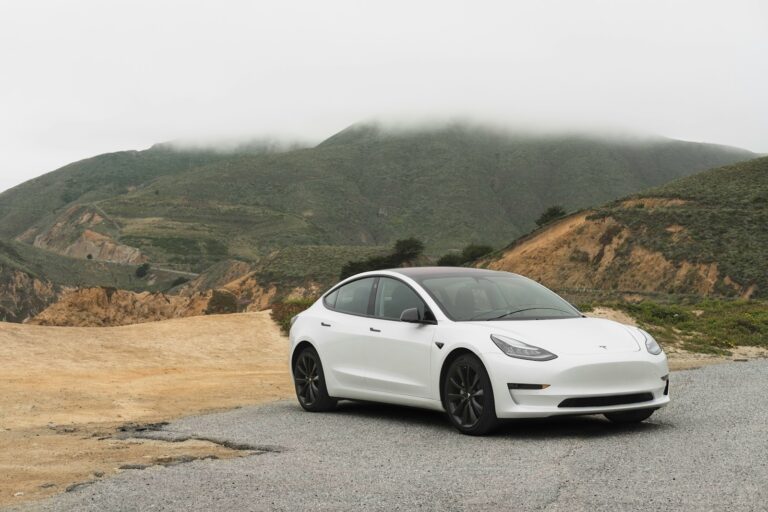
To understand the competition, we must first look at the reigning champion. A Battery Electric Vehicle, like a Tesla Model 3 or Ford Mustang Mach-E, is simple in concept.
How It Works
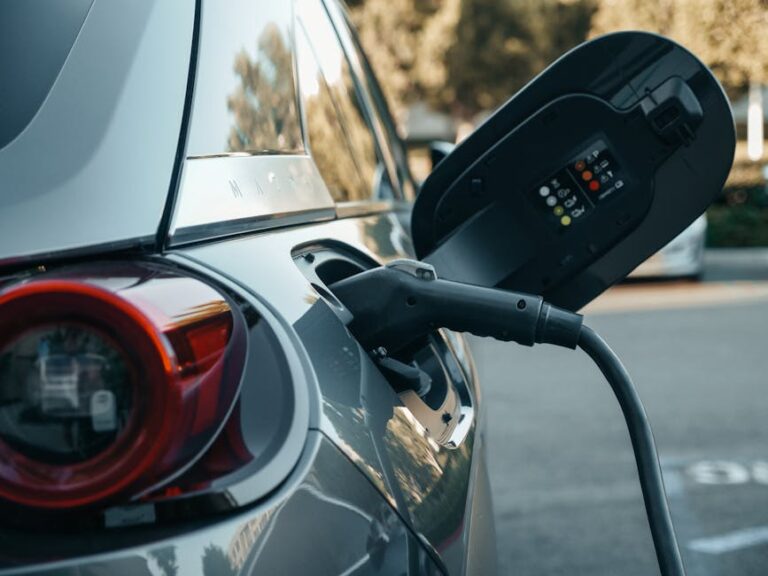
You plug the car into the grid. Electricity flows into a large battery pack located in the floor of the car. When you drive, that chemical energy is converted back into electricity to power an electric motor.
The BEV Advantage
The primary advantage of electric battery cars is efficiency. They are incredibly efficient at turning energy into motion. Roughly 70 to 80 percent of the electricity generated at the power plant makes it to the wheels of the car. This efficiency is hard to beat. Additionally, the infrastructure is already partially there. Every home with an electrical outlet is a potential fueling station.
The BEV Disadvantage
The Achilles heel of the BEV is the battery itself. Batteries are heavy. They require rare earth minerals like cobalt and lithium. Mining these materials has environmental and geopolitical costs. Furthermore, recharging takes time. Even with the fastest chargers, it takes 20 to 30 minutes to get a substantial charge. For drivers accustomed to a five-minute gas stop, this is a regression in convenience.
Understanding Hydrogen Fuel Cell Vehicles (FCEVs)
Hydrogen fuel cell cars are technically electric cars. They use the same electric motors as a BEV. The difference lies in where the electricity comes from.
How It Works
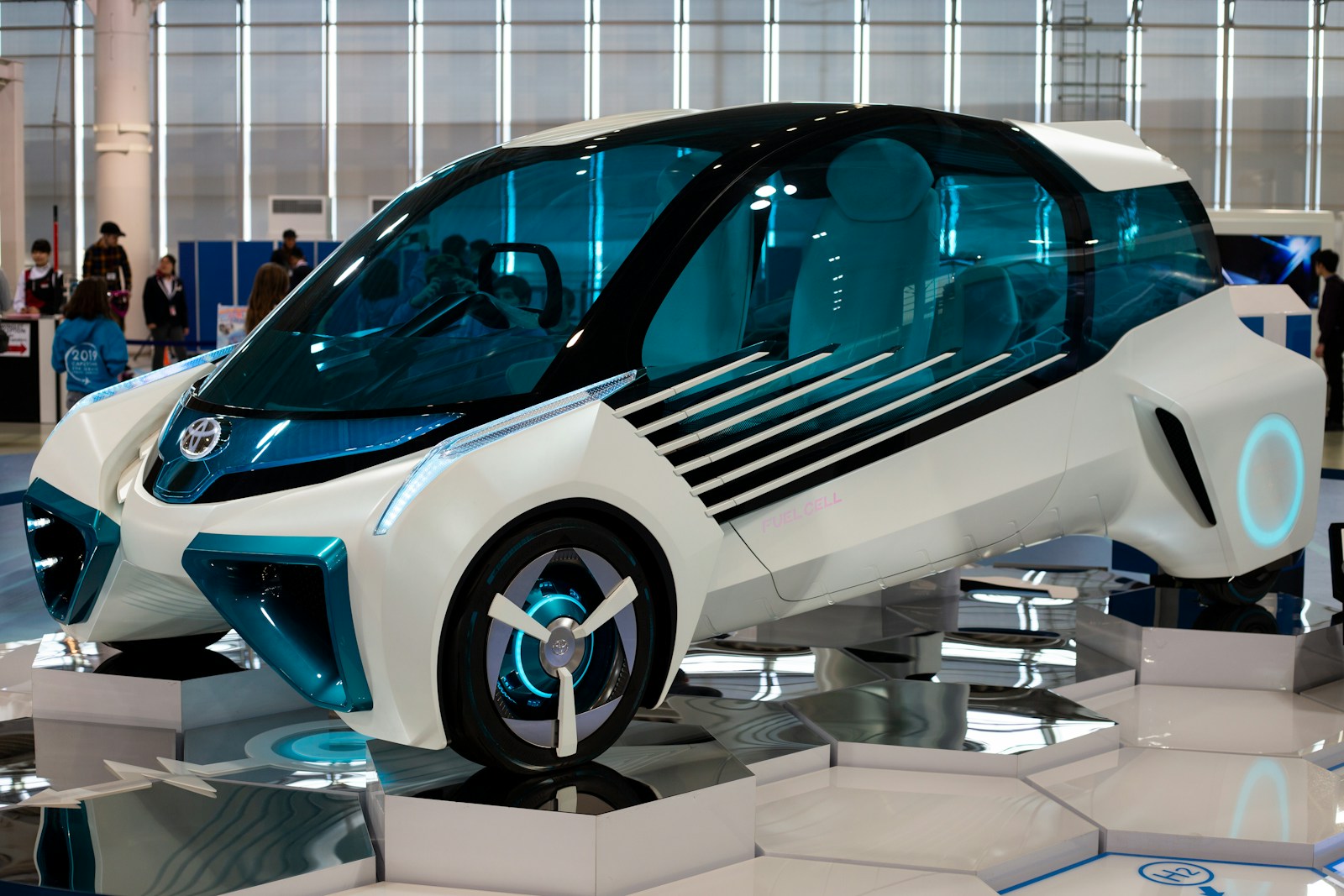
Instead of a giant battery, an FCEV has a tank filled with compressed hydrogen gas. It also has a device called a fuel cell stack. Inside this stack, hydrogen from the tank mixes with oxygen from the air. This chemical reaction produces electricity and water. The electricity powers the motor and the water drips out of the tailpipe. It is a zero-emission vehicle that creates its own power on the fly.
The FCEV Advantage
The biggest selling point is refueling speed. Filling a tank with hydrogen takes about three to five minutes. It is exactly the same experience as pumping gasoline. You do not need to change your lifestyle. You do not need a garage with a charger. You simply pull up to a pump, fill up, and drive for 300 or 400 miles.
Additionally, hydrogen is the most abundant element in the universe. In theory, we have an infinite supply. It also has a much higher energy density than batteries. This makes it ideal for heavy applications like semi-trucks and airplanes where batteries would be too heavy.
The Infrastructure War
This is where the battle of hydrogen vs electric cars becomes lopsided.
The Charging Network
Tesla has spent years building the Supercharger network. Other companies like ChargePoint and Electrify America have followed suit. In 2026, you can drive a BEV across the United States with relative ease. There are over 150,000 public chargers available.
The Hydrogen Desert
In contrast, the hydrogen infrastructure is virtually non-existent outside of California. Building a hydrogen station is expensive and dangerous. Hydrogen must be stored at incredibly high pressures. Transporting it is difficult. Unless you live in specific parts of Los Angeles or the San Francisco Bay Area, owning a Toyota Mirai or a Hyundai Nexo is impossible. You simply have nowhere to fill it up.
The Efficiency Equation
When we look at the physics, electric battery cars are the clear winners.
Well-to-Wheel Efficiency
To create hydrogen, you typically use electricity to split water molecules. This process is called electrolysis. You then have to compress the gas, transport it to a station, store it, pump it into a car, and convert it back to electricity. Every step loses energy. By the time the energy moves the car, the efficiency is often around 30 percent.
Compare this to a BEV. You generate electricity, send it over wires, and put it in a battery. The losses are minimal. Using electricity to make hydrogen to make electricity is a complex loop that wastes energy. As Elon Musk famously said, “Fool cells.”
The Cost of Ownership
For the consumer, the decision often comes down to the wallet.
Purchase Price
Hydrogen fuel cell cars are expensive to build. The fuel cell stack uses platinum, a precious metal. A Toyota Mirai costs significantly more to manufacture than a comparable gas sedan. However, manufacturers often lease them at heavily subsidized rates to get them on the road.
Fuel Costs
Hydrogen is expensive. In 2026, the price of hydrogen fuel is often equivalent to paying $10 or $12 per gallon of gasoline. Driving a mile in an FCEV costs three to four times more than driving a mile in a BEV charged at home. Unless the price of hydrogen drops dramatically, the economics do not make sense for the average commuter.
Safety Concerns
Safety is a major talking point in the future of automotive discussions.
Battery Fires
Lithium-ion batteries can catch fire if punctured or overheated. These fires are hot and difficult to extinguish. However, modern battery management systems have made them very rare.
Hydrogen Explosions
Hydrogen is highly flammable. The Hindenburg disaster is the image that comes to mind for many. However, modern tanks are built with carbon fiber and are bulletproof. In crash tests, hydrogen fuel cell cars have proven to be incredibly safe. The gas is lighter than air. If a tank leaks, the hydrogen floats away into the atmosphere rapidly rather than pooling on the ground like gasoline.
The Case for Heavy Transport
While BEVs are winning the passenger car war, hydrogen might win the heavy transport war.
Batteries are heavy. To power a semi-truck for 500 miles, you need a battery that weighs thousands of pounds. This reduces the amount of cargo the truck can carry. Hydrogen is light. A fuel cell system allows long-haul truckers to carry full loads without stopping for hour-long charging sessions. Companies like Nikola and Toyota are betting that the future of automotive freight is hydrogen.
Conclusion: Which One Will Win?
In 2026, the verdict for passenger vehicles is clear. Electric battery cars have won the first round. The infrastructure is established. The costs are falling. The efficiency is superior. If you are buying a car today, a BEV is the logical choice.
However, do not write off hydrogen completely. Hydrogen fuel cell cars offer a solution for drivers who cannot charge at home and for heavy industries that cannot use batteries. The technology is valid, but the infrastructure is lagging decades behind.
The future might not be a monopoly. We may see a world where city commuters drive battery electric cars while long-haul trucks and airplanes run on hydrogen. The war of hydrogen vs electric cars is not a zero-sum game. It is an evolution towards a diverse, carbon-free transportation ecosystem.