What is Gap Insurance? Do You Really Need It for Your New Car in 2026?

Buying a new car is a moment of joy. You sign the papers, grab the keys, and drive off the lot with that new car smell filling the cabin. However, in that precise moment, a silent financial thief strikes. It is called depreciation.
As soon as your front tires hit the public road, your vehicle loses value. In some cases, it can lose 20 percent of its value in the first year. If you financed the car with a small down payment, you instantly enter a dangerous financial zone. You owe more to the bank than the car is worth. If you are involved in a total loss accident during this period, your standard auto insurance will not save you. This is where gap insurance becomes your financial life vest.
In this essential guide to auto finance, we will explain exactly what Guaranteed Asset Protection (GAP) covers. We will help you calculate if you are at risk and decide if this extra coverage is a scam or a savior.
Understanding the “Gap”
To understand why you need it, you must understand how standard insurance works.
Actual Cash Value (ACV)
When your car is stolen or totaled in a crash, your insurance company pays you the Actual Cash Value of the vehicle at that specific moment. They do not pay you what you bought it for. They pay you what it is worth used.
The Problem Scenario
Imagine you bought a new SUV for $40,000. You put zero money down and financed it for 72 months.
- Loan Balance: $40,000
- Car Value (after 6 months): $32,000 (due to depreciation)
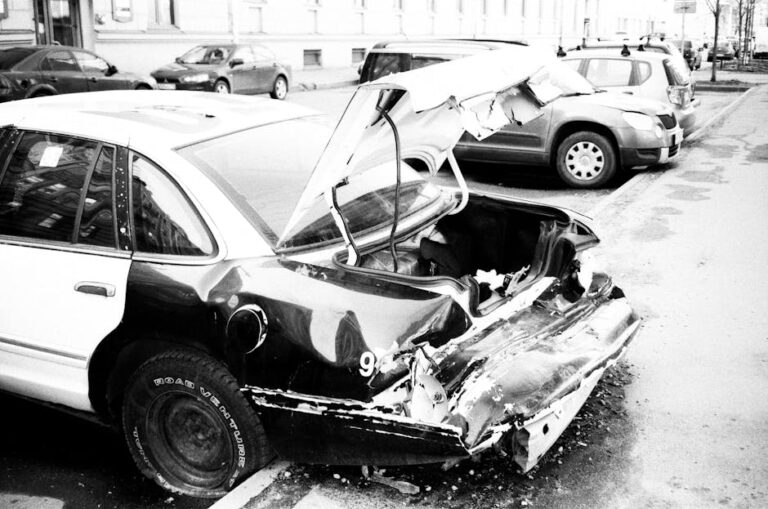
You get into an accident. The car is totaled. The insurance company writes you a check for $32,000. However, the bank still wants their $40,000. You are short $8,000. You have to pay this $8,000 out of your own pocket for a car that no longer exists.
This $8,000 difference is the “Gap.” Gap insurance pays this difference for you.
Who Absolutely Needs Gap Insurance?
Not every driver needs this product. However, for certain profiles, driving without it is financial suicide.
1. You Made a Small Down Payment
If you put down less than 20 percent of the vehicle’s price, you will almost certainly be “upside down” on your loan for the first few years. The depreciation curve will outpace your monthly payments. In this case, gap insurance is mandatory for your protection.
2. You Have a Long-Term Loan
In 2026, loan terms of 72, 84, or even 96 months are common. These long loans lower your monthly payment, but they pay down the principal balance very slowly. This keeps you in the danger zone for much longer. If your loan is longer than 60 months, get the coverage.
3. You Leased Your Car
Most lease contracts actually require gap insurance. It is often built into the lease payment. Check your contract. If it is not included, you must buy it. If you total a leased car without gap coverage, you could owe the leasing company thousands in termination fees and value differences.
4. You Bought a Luxury Vehicle
Luxury cars depreciate faster than economy cars. A BMW or Mercedes can lose value like a stone. The gap between the loan balance and the cash value widens rapidly with high-end vehicles.
Who Does NOT Need Gap Insurance?
Save your money if you fall into these categories.
1. You Paid Cash
If you bought the car outright, there is no loan. There is no bank to pay off. Therefore, there is no gap.
2. Large Down Payment
If you paid 25 percent or more upfront, you likely have equity in the car from day one. Your loan balance is already lower than the car’s depreciated value. Standard insurance will cover the loan payoff with money to spare.
3. You Bought a Cheap Used Car
Used cars have already suffered their steepest depreciation. The gap risk is minimal unless you financed it at an predatory interest rate.
Where to Buy Gap Insurance
You have three main options. The price difference between them is shocking.
1. The Dealership
The finance manager will try to sell you gap insurance when you sign the papers. This is the most expensive option. Dealers often mark up the price by 300 percent or more. They might charge you $700 to $1,000 for a policy. While convenient because you can roll it into your loan, you will pay interest on that $1,000 for years.
2. Your Auto Insurance Provider
Most major carriers like Progressive, Geico, and State Farm offer gap coverage as an add-on to your regular policy. It is often called “Loan/Lease Payoff.” The cost is usually very low, often around $20 to $40 per year. This is significantly cheaper than the dealership option.
3. Credit Unions and Banks
If you finance through a credit union, they often sell standalone gap policies for a flat fee of around $300 or $400. This is a fair middle ground.
How Gap Insurance Works with Negative Equity
There is a tricky situation called “rolling over negative equity.” This happens when you trade in an old car that you still owe money on, and add that debt to the new car loan.
Example:
- New Car Price: $30,000
- Old Loan Rollover: $5,000
- Total New Loan: $35,000
You are instantly $5,000 underwater before you even drive the new car. In this specific scenario, gap insurance is the most critical document you will sign. Without it, a total loss in the first month would be a financial catastrophe.
Does Gap Insurance Cover Repairs?
This is a common misconception. Gap insurance is not a warranty.
- It does NOT cover engine failure.
- It does NOT cover your deductible (usually).
- It does NOT cover missed monthly payments due to job loss.
- It ONLY kicks in when the vehicle is declared a total loss by your primary insurer.
Can You Cancel Gap Insurance?
Yes. This is a secret many dealers hide. If you bought an expensive policy at the dealership, you can usually cancel it.
If you sell the car or pay off the loan early, you are entitled to a refund of the unused portion of the premium. If you refinance your car, the old gap policy is void, and you should request a refund immediately. You can then buy a cheaper policy from your new lender or insurance agent.
Conclusion
Gap insurance is not a scam. It is a specific tool for a specific problem. In an era of high vehicle prices and long-term loans, it prevents a bad accident from becoming a bankruptcy event.
However, where you buy it matters. Avoid the high-pressure sales pitch at the dealership. Call your insurance agent before you buy the car and ask for a quote on car gap insurance. In most cases, you can add it to your policy for the price of a few cups of coffee a month. Protect your wallet from the cruelty of depreciation and drive with true peace of mind.