How Long Do Car Batteries Last? Signs You Need a Car Battery Replacement in 2026
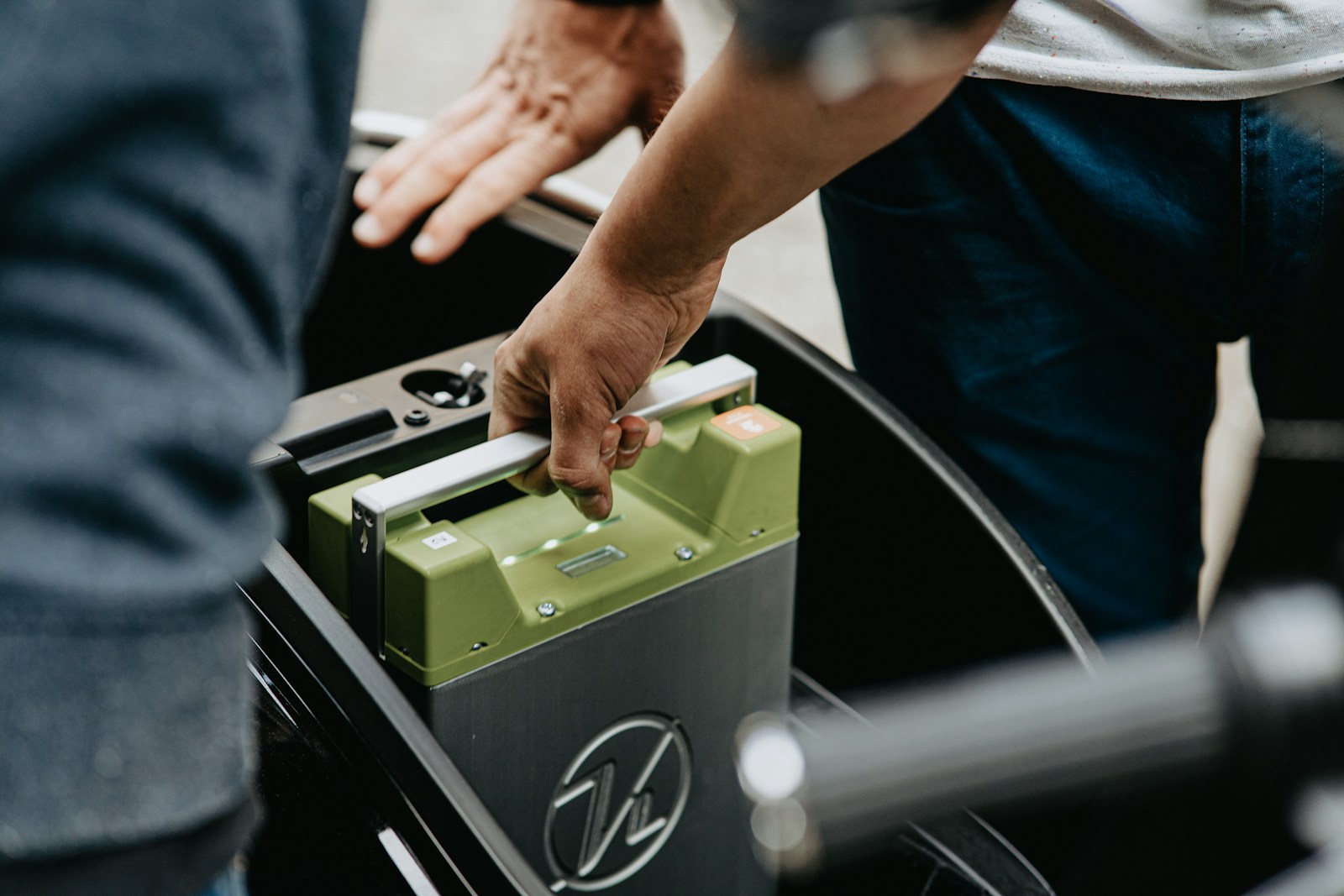
There is no sound more disheartening to a driver than the sound of silence when you turn the key. You have somewhere to be. You are late for work or picking up the kids. You get in the car, push the start button, and nothing happens. Your battery is dead.
The humble 12-volt battery is the silent hero of your vehicle. It provides the initial surge of power needed to wake up the engine. It powers your lights, your radio, and your safety systems. Yet, most drivers ignore it completely until it fails. Understanding car battery life and recognizing the warning signs can save you from being stranded in a parking lot. In this guide to proactive auto care, we will explain how long batteries actually last, how to test them, and where to find the best car battery replacement service when the time comes.
The Average Lifespan of a Car Battery
So, how long do they really last? The short answer is three to five years. However, that is a general rule of thumb. The reality depends on where you live and how you drive.
The Heat Factor
Most people think winter kills batteries. While cold weather makes it harder for a battery to work, heat is the true enemy. High temperatures inside the hood cause the liquid electrolyte inside the battery to evaporate. This damages the internal structure. If you live in a hot climate like Arizona or Florida, your car battery life might only be two or three years.
Driving Habits
Batteries recharge while you drive. The alternator sends power back into the battery to top it off. If you only take short trips of five or ten minutes, the battery never gets fully recharged. This state of constant undercharging leads to “stratification” and premature failure. Frequent short trips are harder on a battery than long highway commutes.
5 Warning Signs You Need a Replacement
Batteries rarely die without giving a warning. Your car will usually try to tell you that the end is near. You just have to listen.
1. The Slow Engine Crank
This is the most common symptom. When you turn the key, the engine sounds sluggish. It takes a second or two longer than normal to catch. This “ruhh-ruhh-ruhh” sound means the battery lacks the cold cranking amps (CCA) to turn the starter motor efficiently. Do not ignore this. It is your final warning.
2. Dim Headlights and Electrical Issues
If your headlights look yellow instead of white, or if they dim when you idle at a stoplight, your battery is struggling. You might also notice that your power windows move slower than usual. Modern cars are packed with electronics. A failing battery often causes random glitches in the dashboard or infotainment system.
3. The Check Engine Light
Sometimes, a weak battery will trigger the check engine light or a specific battery warning light shaped like a red rectangle. If this light appears, visit car shops near me immediately for a diagnostic test.
4. A Rotten Egg Smell
Lead-acid batteries contain sulfuric acid. If the battery is damaged or overcharged, it can vent gas. This gas smells like rotten eggs or sulfur. If you smell this anytime you open the hood, you have a dangerous leak. The acid can eat through other engine components. Replace the battery instantly.
5. A Swollen Battery Case
Extreme heat or cold can cause the rectangular case of the battery to swell or bulge. If your battery looks like it ate a large meal, it is chemically dead. Do not try to charge it. It could explode.
Types of Car Batteries
When you shop for a car battery replacement, you will see different options. Choosing the right one is critical.
Standard Flooded Lead-Acid
This is the traditional battery found in most older cars. It contains liquid electrolyte. It is affordable and reliable for standard vehicles. However, it requires maintenance and spills if tipped over.
Absorbent Glass Mat (AGM)
AGM batteries are the modern standard. Inside, the acid is absorbed into fiberglass mats. This makes them spill-proof and vibration resistant. They charge faster and last longer than flooded batteries. Most new cars with “Start-Stop” technology require an AGM battery. If your car came with an AGM, you must replace it with an AGM. Downgrading to a standard battery will cause electrical problems.
Testing Your Battery at Home
You do not need to be a mechanic to check your battery health. You just need a simple tool called a multimeter.
- Set the multimeter to 20 DC Volts.
- Touch the red probe to the positive terminal and the black probe to the negative terminal.
- Read the voltage.
The Results:
- 12.6 Volts or higher: Your battery is 100 percent charged and healthy.
- 12.4 Volts: It is about 75 percent charged. Drive the car to top it up.
- 12.0 Volts or lower: The battery is dead or dying. It needs to be recharged or replaced.
The Cost of Car Battery Replacement
Prices have risen significantly in 2026 due to the cost of raw materials like lead.
- Standard Battery: $100 to $150.
- Premium AGM Battery: $200 to $350.
- Installation Fee: Many auto parts stores will install it for free if you buy it there. Dealerships and independent shops typically charge $50 to $100 for labor.
While it might be tempting to buy the cheapest option, remember that a cheap battery might leave you stranded in six months. Investing in a best car battery brand like Interstate, DieHard, or Optima pays off in reliability.
DIY Installation vs. Professional Help
Changing a battery is one of the easiest DIY auto care tasks. It usually involves loosening two nuts and a hold-down clamp. However, there are risks.
The Memory Saver Issue
In modern cars, disconnecting the battery can wipe the computer’s memory. You might lose your radio presets, your seat positions, and even the engine’s idle learning data. Professional shops use a “memory saver” device that plugs into the OBDII port to keep the computer alive while they swap the battery.
The Weight and Safety
Car batteries are heavy. They weigh between 30 and 50 pounds. Lifting one out of a tight engine bay can hurt your back. Additionally, the white powder often found on terminals is dried acid. It burns skin and eats holes in clothing. Wear gloves and safety glasses if you attempt this yourself.
How to Extend Car Battery Life
You can delay the expense of a car battery replacement with good habits.
- Clean the Terminals: Corrosion adds resistance. Clean the posts with a mixture of baking soda and water once a year.
- Drive Often: Take the car for a 20-minute highway drive at least once a week to fully saturate the charge.
- Check the Hold-Down Clamp: Vibration kills batteries. Ensure the battery is bolted down tightly so it does not shake while you drive.
- Turn Off Accessories: Do not run the radio or charge your phone while the engine is off. This drains the battery deeply, which shortens its lifespan.
Conclusion
Your car battery has a finite life. It is not designed to last forever. If your battery is more than three years old, you are in the danger zone.
Do not wait for the day it fails. Perform a visual inspection today. Look for the date code sticker on the top of the case. If it is old, be proactive. Search for car shops near me or visit an auto parts store to get it tested. Spending a few hundred dollars on a car battery replacement on your own terms is much better than paying for a tow truck and an emergency repair on a rainy Tuesday night.