Dashboard Warning Lights Guide: What Do They Mean and Is It Safe to Drive?
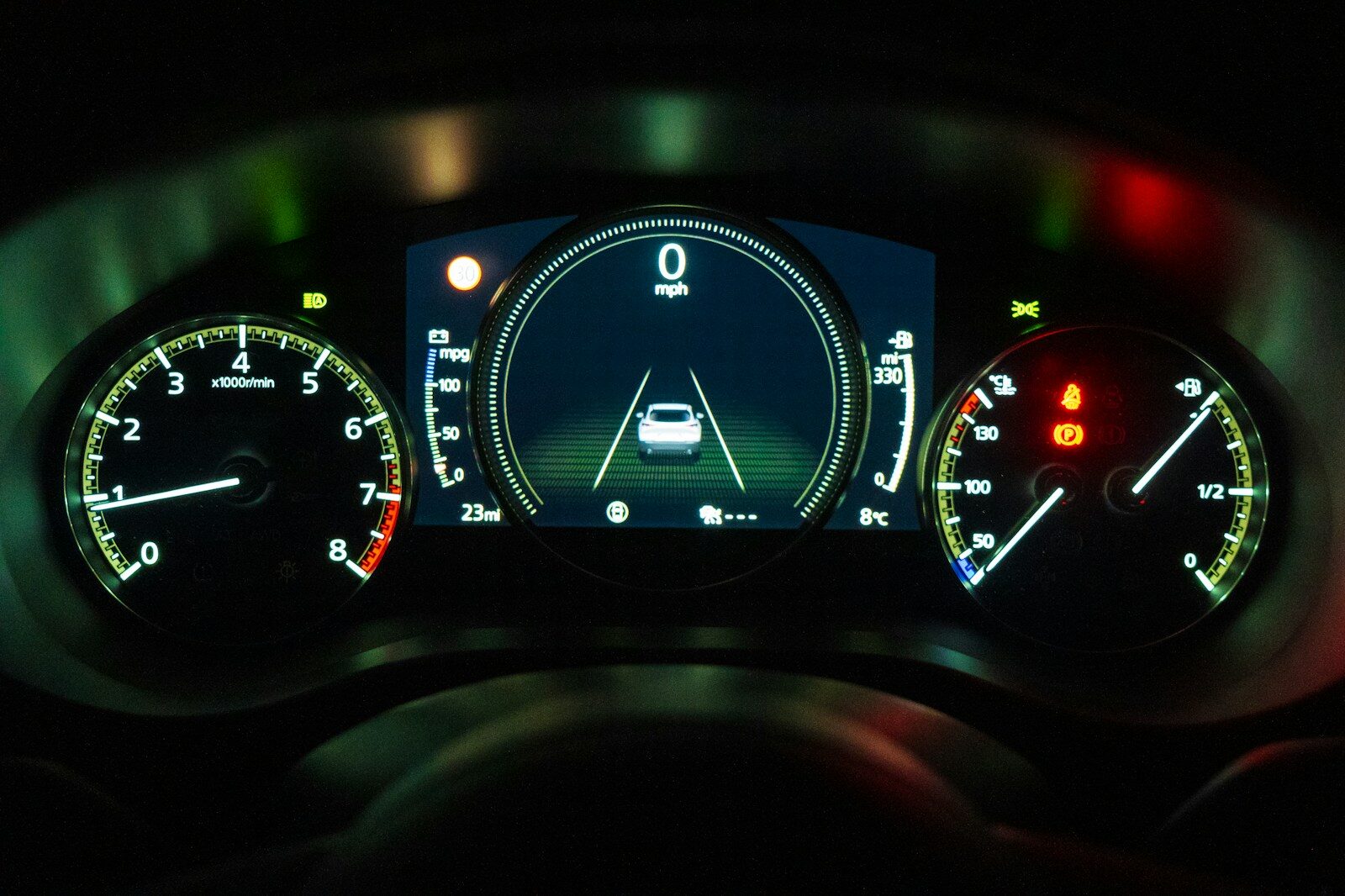
You are driving down the highway, listening to your favorite podcast, when suddenly a colorful icon illuminates on your instrument cluster. Your heart skips a beat. Is the car about to break down? Can you make it to your destination, or should you pull over immediately?
Modern vehicles are equipped with sophisticated computers that monitor thousands of sensors. When something goes wrong, the car communicates with you through car dashboard symbols. However, these hieroglyphics can be confusing. Ignoring a light can lead to catastrophic engine failure. Panicking over a minor light can ruin your day unnecessarily. In this comprehensive guide to auto care, we will decode the most common warning lights in 2026. We will explain what they mean, how urgent they are, and exactly what you need to do to stay safe.
The Color Code System
Before diving into specific symbols, you must understand the universal color language used by automotive manufacturers. It works just like a traffic light.
Red Means Stop
A red warning light indicates a critical safety issue or a major mechanical failure. If you see a red light, you should pull over as soon as it is safe to do so. Driving with a red warning light can destroy your engine or put your life at risk.
Yellow or Amber Means Caution
A yellow light indicates a non-critical issue. A system is not working correctly, but the car is likely still drivable. You should schedule an appointment with car shops near me soon, but you do not need to call a tow truck immediately.
Green or Blue Means Go
These are informational lights. They tell you that a system is active. Examples include your headlights, high beams, or cruise control. Everything is functioning normally.
1. The Tire Pressure Light (TPMS)
Symbol: An exclamation point inside a horseshoe shape (representing a tire cross-section).
This is the most frequent visitor on modern dashboards. It indicates that one or more of your tires is significantly under-inflated.
Is It Safe to Drive?
Yes, but with caution. You should stop at the nearest gas station to check your tire pressure. Driving on a low tire causes the sidewall to overheat, which can lead to a blowout. It also reduces your fuel economy and handling capabilities.
The Fix
Use a tire pressure gauge to check all four tires. Inflate them to the PSI listed on the sticker inside the driver’s door jamb. Do not use the maximum pressure listed on the tire sidewall. If the TPMS light flashes for a minute and then stays solid, the sensor battery might be dead.
2. The Oil Pressure Light
Symbol: An old-fashioned oil can with a drop dripping from the spout.
This is arguably the most dangerous light on the dashboard. It does not mean you are low on oil. It means the oil pump is failing to circulate oil through the engine. Without oil pressure, metal parts grind against each other.
Is It Safe to Drive?
Absolutely not. If this red light comes on, pull over immediately and kill the engine. Driving for even sixty seconds with zero oil pressure can seize the engine, turning your car into a giant paperweight.
The Fix
Check the oil level using the dipstick. If it is bone dry, add oil. If the level is full but the light is still on, call a tow truck. Do not attempt to start the engine again.
3. The Engine Temperature Light
Symbol: A thermometer floating in waves of liquid.
This red light means your engine is overheating. The coolant is boiling, or the radiator has failed.
Is It Safe to Drive?
No. An overheated engine will warp the cylinder head and blow the head gasket. These are repairs that cost thousands of dollars.
The Fix
Turn off the AC and turn on the heater to full blast. This helps pull heat away from the engine. Pull over safely. Do not open the radiator cap while it is hot. You will be sprayed with boiling steam. Let the car cool down for at least 30 minutes before checking the coolant reservoir.
4. The Battery / Charging Light
Symbol: A rectangular battery with plus and minus signs.
Many drivers assume this means the battery is dead. It usually means the alternator is failing. The car is running solely on the battery’s remaining charge.
Is It Safe to Drive?
Only for a very short distance. You have roughly 15 to 30 minutes of driving time before the car shuts down completely.
The Fix
Turn off all non-essential electronics. Radio off. AC off. Drive directly to a repair shop or an auto parts store. Do not turn off the engine until you are safe, as it might not start again.
5. The Brake System Light
Symbol: An exclamation point inside a circle, or the word “BRAKE.”
This light has two meanings. It could simply mean your parking brake is engaged. If the parking brake is off and the light stays on, you have a problem. It usually indicates low brake fluid or a hydraulic failure.
Is It Safe to Drive?
If the pedal feels spongy or sinks to the floor, do not drive. You have lost braking power. If the pedal feels normal, drive slowly to a shop. Low fluid often means your brake pads are worn down, as the caliper pistons have extended further to compensate.
6. The ABS Light
Symbol: The letters “ABS” inside a circle.
This stands for Anti-lock Braking System. It means the computer that prevents your wheels from locking up during a skid has malfunctioned.
Is It Safe to Drive?
Yes. Your standard mechanical brakes still work fine. You just will not have the anti-lock safety feature. Be extra careful on wet or icy roads, as you could skid if you panic brake.
7. The Traction Control Light
Symbol: A car with squiggly lines behind it.
This light often flashes when you are driving on a slippery surface. This is good. It means the system is working to help you regain grip. If the light stays on solid, the system is disabled.
Is It Safe to Drive?
Yes. Like the ABS light, this is a driver aid. The car is safe, but you should drive conservatively in bad weather until you can get the sensor replaced.
8. The Check Engine Light
Symbol: An outline of an engine block.
We covered this extensively in a previous article, but it is worth repeating. A steady amber light usually indicates an emissions issue like a loose gas cap or a bad oxygen sensor. A flashing light indicates a misfire.
Is It Safe to Drive?
Steady light: Yes. Flashing light: No.
Diagnosing the Problem Yourself
You do not always need to pay a mechanic to read these car dashboard symbols.
OBD2 Scanners
For less than $50, you can buy a code reader. When a light pops up, plug the scanner into the port under the dashboard. It will give you a code (like P0300). Searching this code on Google will often tell you exactly which sensor has failed. This knowledge prevents mechanics from overcharging you for simple repairs.
Conclusion
Your car talks to you. It uses these lights to protect itself and to protect you.
The most important takeaway is to respect the red lights. Oil pressure, temperature, and braking are non-negotiable systems. If they fail, the ride is over. For the amber lights like the TPMS light or check engine light, you have time, but do not procrastinate. A small problem ignored today becomes an expensive engine replacement tomorrow. Keep your owner’s manual in the glovebox. It is the dictionary for your car’s language. Consult it whenever a new symbol appears.