Check Engine Light Solutions: DIY Auto Care vs Visiting Car Shops Near Me
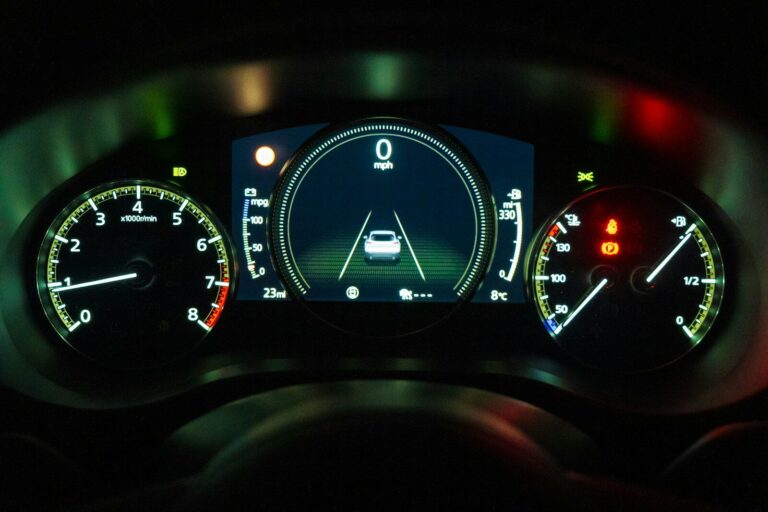
There is one symbol on your dashboard that causes more anxiety than any other. It is the small orange outline of an engine. The Check Engine Light. When it illuminates, it triggers immediate questions. Is it safe to drive? Will this cost a fortune to fix? Do I need to visit car shops near me immediately?
For many drivers in 2026, modern vehicles feel like mysterious computers. However, understanding basic diagnostics is a crucial part of auto care. You do not always need to rush to a mechanic. With the right tools and knowledge, you can often identify the issue yourself. In this guide, we will explore the world of onboard diagnostics, discuss when to perform DIY car care, and determine when it is time to call professionals like United Auto or your local repair center.
Understanding the Warning System
The Check Engine Light is part of the On-Board Diagnostics system, commonly known as OBD-II. This system monitors your vehicle’s emissions, engine performance, and transmission.
Steady vs. Flashing Light
The behavior of the light tells a story.
- Steady Light: This usually indicates a non-critical issue. It might be a loose sensor or an emissions problem. You can usually continue driving, but you should schedule an inspection soon.
- Flashing Light: This is a red alert. It typically means the engine is misfiring. Unburnt fuel is being dumped into the exhaust system, which can overheat and destroy the catalytic converter. If the light is flashing, pull over safely and turn off the engine immediately.
The DIY Auto Care Approach
Before spending money at a shop, you can perform some basic detective work. This aligns with a proactive auto care philosophy.
Check the Gas Cap
Believe it or not, a loose or damaged gas cap is a very common trigger for the warning light. The system detects a vapor leak in the fuel tank and assumes it is an emissions failure. Tighten the cap and drive for a few days. The light might turn off on its own.
Use an OBD-II Scanner
Every car owner should have a basic code reader in their glovebox. You can buy one online or at an auto parts store for under fifty dollars. Plug it into the port under your dashboard. It will display a code, such as P0300 or P0420.
- P0300: Random Misfire Detected.
- P0420: Catalyst System Efficiency Below Threshold.
- P0442: Evaporative Emission Control System Leak Detected (Small Leak).
Once you have the code, search for it online alongside your car model. This will give you a clear idea of the potential problem before you ever speak to a mechanic.
When to Visit Car Shops Near Me
While reading a code is easy, fixing the problem requires skill. Knowing when to fold your cards is an important part of car care.
Complex Electrical Issues
Modern cars have miles of wiring. If the code indicates a “Circuit Malfunction” or “Communication Error,” this is not a job for a beginner. Tracing electrical faults requires specialized multimeters and wiring diagrams. Leave this to the experts at the professional car shops near me.
Internal Engine Noise
If the light comes on and is accompanied by a knocking, ticking, or grinding sound, stop driving. No amount of DIY research will fix a broken mechanical component inside the engine. This requires a professional teardown and inspection.
Safety Systems
Codes related to the ABS brakes or airbags often trigger their own specific warning lights, but they can sometimes interact with the main computer. Never gamble with safety systems. If your brakes or restraint systems are compromised, visit a certified technician immediately.
Finding Parts and Support: United Auto
When you decide to tackle a repair yourself, sourcing quality parts is the next hurdle. This is where retailers and suppliers like United Auto play a role.
Quality Matters
Cheap sensors often fail quickly. If you are replacing an oxygen sensor or a mass airflow sensor, buy an OEM (Original Equipment Manufacturer) part. Companies like United Auto often stock a wide range of components that meet factory specifications. Using substandard parts can cause the Check Engine Light to turn right back on, wasting your time and money.
Warranty and Returns
Another benefit of dealing with established suppliers is the warranty. If a new alternator fails after a week, a reputable supplier will replace it. Buying used electrical parts from a junkyard is a gamble that rarely pays off in the long run.
Top 5 Common Check Engine Light Causes
According to data from repair shops across the country, these are the most frequent culprits.
- Oxygen Sensor (O2 Sensor): This measures the amount of unburnt oxygen in the exhaust. Over time, it gets covered in oil and ash. Replacing it is a standard maintenance task.
- Catalytic Converter: This device turns harmful gases into harmless ones. It is expensive to replace. Keeping up with regular auto care like oil changes helps extend its life.
- Mass Airflow Sensor (MAF): This measures the air entering the engine. A dirty air filter can contaminate the MAF. Sometimes, simply cleaning it with a specialized spray fixes the issue.
- Spark Plugs and Wires: These ignite the fuel. Worn plugs cause misfires. Replacing them is a great DIY project for beginners.
- Loose Gas Cap: As mentioned, this is the easiest fix of all.
How to Choose the Right Mechanic
If the repair is beyond your abilities, you need to find a shop. Typing car shops near me is just the first step.
Check for Certifications
Look for the ASE (Automotive Service Excellence) Blue Seal. This indicates the technicians have passed rigorous testing.
Ask About Diagnostic Fees
Most shops charge a “diagnostic fee” just to look at the car. This usually covers one hour of labor. Ask if this fee is waived if you approve the repair work. Many honest shops will roll the diagnostic cost into the final repair bill.
Read Reviews Carefully
Look for patterns in the reviews. Do customers complain about upselling? Do they mention that the shop fixed the problem on the first visit? A shop with a reputation for honest auto care is worth its weight in gold.
Conclusion
The Check Engine Light is not a death sentence for your car. It is a communication tool. It is your car asking for help.
By adopting a calm, logical approach to auto care, you can save money and extend the life of your vehicle. Start with a simple gas cap check. Move on to scanning the code yourself. If the repair is simple, source quality parts from trusted vendors like United Auto. If the job is complex, use your knowledge to have an informed conversation with the professionals at car shops near me.
Knowledge is the ultimate tool in your toolbox. When you understand what the light means, you are no longer at the mercy of the unknown. You are in the driver’s seat of your vehicle’s health.