Electric Car Maintenance Checklist: What Service Do EVs Actually Need in 2026?
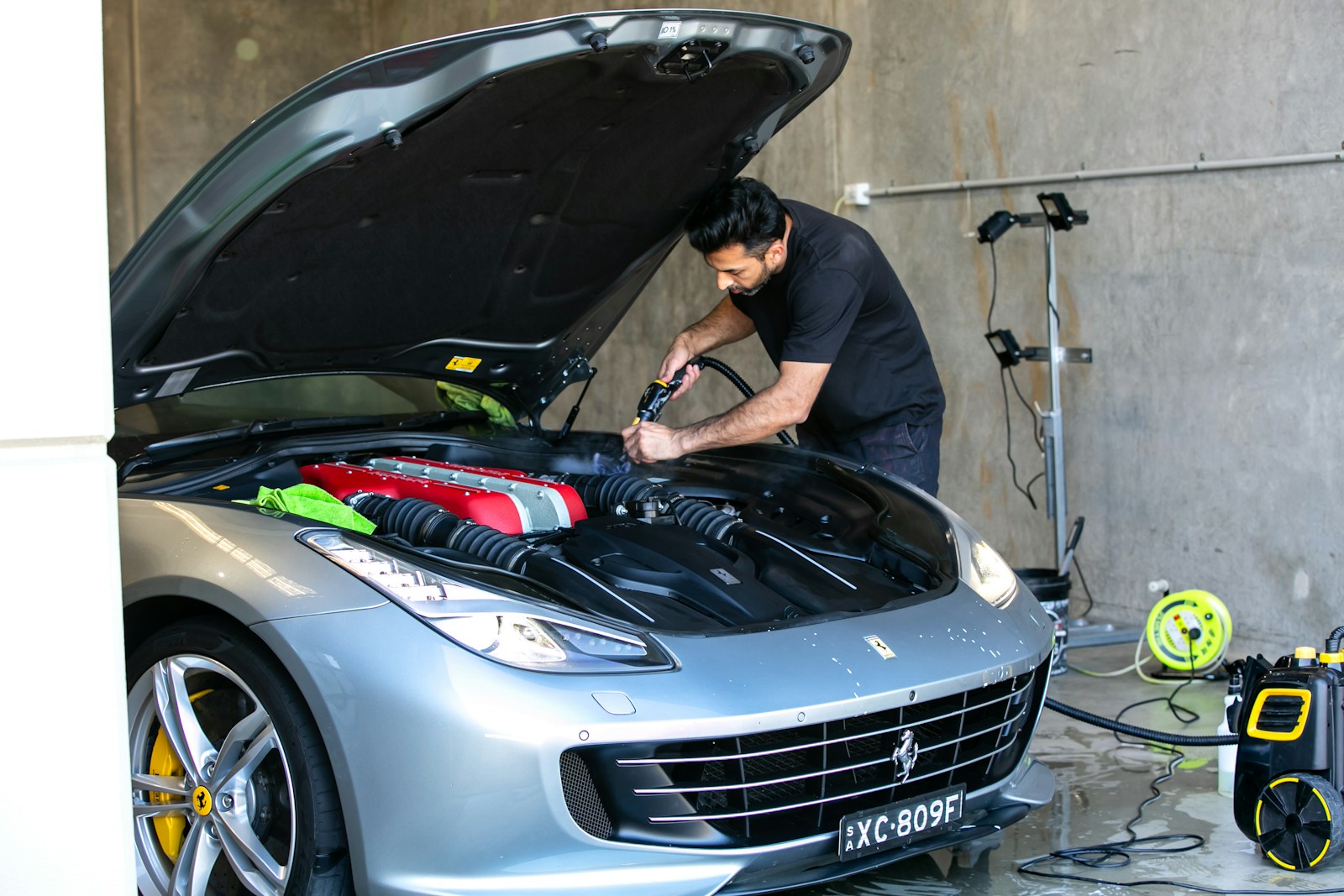
One of the biggest selling points of electric vehicles is simplicity. Salespeople love to tell potential buyers that an EV requires zero maintenance. They say you can say goodbye to oil changes, spark plugs, and timing belts forever. While it is true that an electric motor has significantly fewer moving parts than an internal combustion engine, the idea of “zero maintenance” is a dangerous myth.
In reality, an electric car is still a heavy machine moving at high speeds on public roads. It has tires, brakes, suspension, and complex cooling systems. Neglecting these components can lead to expensive repairs and safety hazards. In this comprehensive guide to electric car maintenance, we will break down exactly what service your EV needs, what you can ignore, and how to keep your battery healthy for the long haul.
The Myth of “Maintenance Free”
An internal combustion engine has roughly 2,000 moving parts. An electric drivetrain has about 20. This drastic reduction means you will never pay for an oil change, a transmission flush, or a muffler replacement. However, the systems that remain are under more stress than ever before.
The weight of the battery pack makes EVs significantly heavier than gas cars. This extra weight puts immense strain on the suspension and tires. Furthermore, the high-voltage electronics require sophisticated thermal management to prevent overheating. Therefore, EV service is not about fixing engine problems. It is about managing weight and temperature.
1. Tire Care: The Number One Expense
If you own an EV, your biggest maintenance cost will be tires.
Why EVs Eat Tires
Electric vehicles deliver instant torque. When you step on the accelerator, the wheels spin immediately with full power. This grinds the rubber into the pavement. Combined with the heavy weight of the battery, this causes tires to wear out 30 percent faster than on a gas car.
Rotation is Critical
To extend tire life, you must rotate your tires every 5,000 to 6,000 miles. This ensures even wear. If you skip this, you might find yourself needing a new set of tires after just 15,000 miles. That is a $1,000 expense you want to delay as long as possible.
Alignment Checks
Because EVs are heavy, hitting a pothole can easily knock the suspension out of alignment. A bad alignment will destroy your expensive tires in a matter of months. Have your alignment checked at least once a year as part of your auto care routine.
2. Brake System Maintenance
Brakes on an EV are a paradox. The pads last forever, but the system still needs attention.
The Benefit of Regen
Regenerative braking uses the electric motor to slow the car down. This recharges the battery and saves the physical brake pads. Many EV owners go 100,000 miles on the original brake pads. This is a massive saving compared to gas cars.
The Hidden Danger
Because the mechanical brakes are used so rarely, they can seize up. Rust can build up on the rotors and calipers due to lack of use. This is especially true in cold climates where salt is used on roads.
- The Fix: You need to have the brake calipers lubricated and cleaned annually. This ensures that when you do need to panic stop, the mechanical brakes engage freely.
- Fluid Flush: Brake fluid absorbs moisture over time. You still need to flush the brake fluid every two years to prevent corrosion in the lines.
3. Cooling System (Thermal Management)
Your EV does not have a radiator for an engine, but it has a complex cooling system for the battery.
Battery Coolant
Lithium-ion batteries hate heat. They also hate freezing cold. To keep them in the “Goldilocks” zone, liquid coolant is pumped through the battery pack. Over time, this coolant can degrade or levels can drop.
- Service Interval: Check your owner’s manual. Some manufacturers recommend a coolant flush at 50,000 miles. Others say it is a “lifetime” fill. However, having a technician inspect the hoses for leaks is vital. A coolant leak inside the battery pack is a catastrophic failure that can total the car.
4. Cabin Air Filter
This is a small item that has a big impact on range.
The cabin air filter cleans the air coming into the vehicle. If it gets clogged with dust and pollen, the AC system has to work harder to push air into the cabin. In an EV, the AC compressor runs off the high-voltage battery. A strained AC system drains the battery faster, reducing your driving range. Replace this filter every 12 months to ensure maximum efficiency.
5. The 12-Volt Battery
Yes, your electric car still has a standard 12-volt lead-acid battery. It powers the lights, the radio, the door locks, and the computer that starts the high-voltage system.
The Most Common Failure
Ironically, the most common reason an EV calls a tow truck is a dead 12-volt battery. If this small battery dies, the big main battery cannot turn on. You are stranded.
- The Fix: Treat this like a normal car battery. Test it annually. Expect to replace it every three to four years. Do not assume the big battery keeps the small one charged indefinitely.
6. Software Updates
A modern EV is a computer on wheels. Tesla maintenance cost often includes paying for data connectivity to receive Over-the-Air (OTA) updates.
These updates can improve range, charging speed, and safety features. While most happen automatically while the car is parked at your house, sometimes a major update requires a visit to the service center. Keeping your software up to date is just as important as changing your wiper blades.
7. Underbody Inspection
The most expensive part of your car is the battery pack, which sits on the bottom of the chassis.
Road debris is a major threat. A large rock or a piece of metal on the highway can dent or puncture the battery shield. While manufacturers install strong armor plates, they are not invincible.
- The Routine: Every time you have your tires rotated, ask the mechanic to put the car on a lift and inspect the underbody. Look for scrapes, dents, or loose panels. Catching damage early can prevent moisture from entering the battery pack.
DIY vs. Professional Service
Can you service an EV yourself?
What You Can Do (DIY)
- Fill washer fluid.
- Change wiper blades.
- Change the cabin air filter.
- Check tire pressure.
What You Should NOT Do
- Never touch orange cables. High-voltage cables are bright orange for a reason. They carry enough current to kill you instantly.
- Do not service the AC. The AC system uses high-voltage compressors.
- Do not open the battery pack. There are no user-serviceable parts inside.
Always visit a certified EV technician for anything involving the drivetrain or high-voltage systems.
Cost Comparison: EV vs. Gas Car
Does electric car maintenance actually save you money?
According to data from 2026, the average maintenance cost for an EV is roughly 30 to 40 percent lower than a gas car over a five-year period.
- Gas Car 5-Year Estimate: $4,500 (Oil, filters, belts, plugs, brakes, transmission fluid).
- EV 5-Year Estimate: $2,800 (Tires, tire rotations, cabin filters, brake fluid, wiper blades).
The savings are real, but they are not zero. The money you save on oil changes is often partially spent on more frequent tire replacements.
Conclusion
Owning an electric vehicle requires a shift in mindset. You stop worrying about the engine blowing up and start focusing on tires and software.
Do not fall for the “maintenance free” trap. A neglected EV is just as dangerous and unreliable as a neglected gas car. Follow the electric car maintenance schedule in your owner’s manual religiously. Rotate your tires. Check your alignment. Monitor your 12-volt battery. By performing these simple auto care tasks, you ensure that your high-tech machine remains efficient and safe for years to come.