EV Charging Stations Guide: Tesla Supercharger vs ChargePoint for Home and Public Use
Buying an electric vehicle is exciting. However, the reality of owning one in 2026 revolves entirely around one logistical challenge. That challenge is keeping the battery full. For new owners, navigating the complex world of EV charging stations can be intimidating. The anxiety of running out of power on a lonely highway is real. This is why understanding the infrastructure is just as important as choosing the car itself.
The market is currently dominated by two giants with very different philosophies. On one side, you have the proprietary walled garden of the Tesla Supercharger network. On the other side, you have the universal accessibility of networks like ChargePoint. In this guide, we will break down the differences between these public networks. We will also explore the critical importance of investing in a high-quality electric car charger for your home to maximize convenience and savings.
The State of Public Charging in 2026
The United States has made massive strides in building infrastructure. The days of charging deserts are fading. However, not all EV charging stations are created equal. Speed, reliability, and plug compatibility vary wildly from one station to the next.
Level 2 vs. Level 3 Charging
It is vital to know the difference before you plug in.
- Level 2 Chargers: These are found at grocery stores, hotels, and office parks. They use alternating current (AC) and are slow. They are best for topping off your battery while you are parked for several hours. ChargePoint dominates this sector with thousands of locations.
- Level 3 DC Fast Chargers: These are the heavy hitters found along interstates. They use direct current (DC) to blast energy into the battery. A Tesla Supercharger is a prime example. They can add hundreds of miles of range in just twenty minutes.
The Tesla Supercharger Network
For years, the biggest selling point of a Tesla vehicle was not the car itself. It was the network. The Tesla Supercharger system is widely considered the gold standard of the industry.
Reliability and Ease of Use
The user experience at a Tesla Supercharger is seamless. You simply back in and plug the connector into the car. The station identifies your vehicle and bills your credit card automatically. There are no screens to tap and no credit card readers to swipe. It just works. Furthermore, the uptime reliability of these stations is superior to almost every competitor. Broken chargers are rare.
Opening Up to Non-Teslas
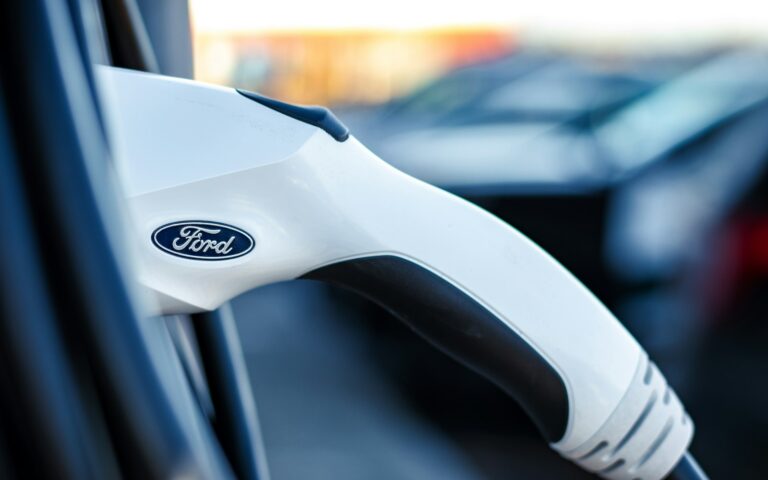
In a major industry shift, Tesla has begun opening its network to other manufacturers. Ford, Rivian, and General Motors have adopted the North American Charging Standard (NACS). This means that a non-Tesla electric car charger port can now utilize the Supercharger network with an adapter. This move has cemented Tesla as the dominant energy provider for the entire EV ecosystem.
The ChargePoint Advantage
While Tesla focuses on highway fast charging, ChargePoint has taken a different approach. They are the leaders in destination charging.
Ubiquity and Access
You will find ChargePoint stations everywhere. They are in the parking lot of your gym. They are at your local library. They are at the shopping mall. Their business model relies on volume and convenience. They allow you to charge your car while you live your life.
The App Experience
To use these EV charging stations effectively, you need the ChargePoint app. This app is powerful. It allows you to filter stations by speed and availability. It can even let you join a waitlist if a station is currently in use. For drivers who do not own a Tesla, ChargePoint is often their primary lifeline for daily energy needs outside the home.
The Critical Importance of Home Charging
Relying solely on public EV charging stations is expensive and time-consuming. The true secret to EV ownership satisfaction is charging at home.
Why You Need a Home Charger
Electricity rates at home are significantly cheaper than public rates. A Tesla Supercharger might cost you $0.40 per kWh. Your home utility rate might be only $0.12 per kWh. Over the life of the car, this difference adds up to thousands of dollars in savings.
Choosing the Right Electric Car Charger
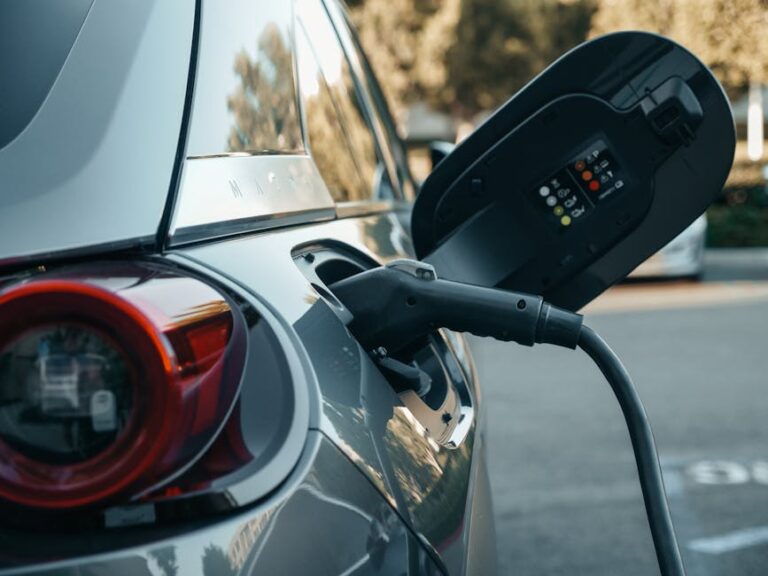
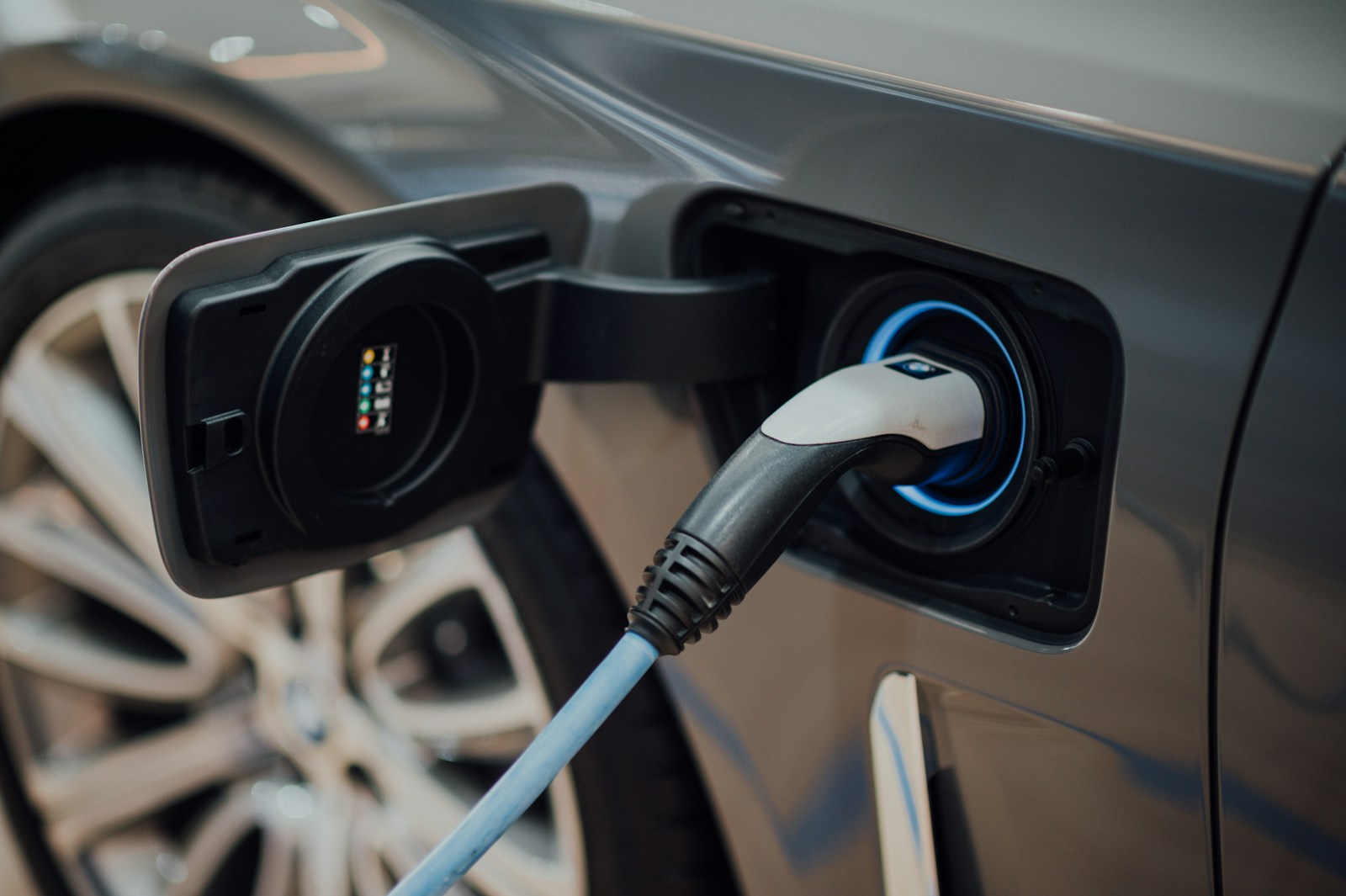
Most EVs come with a simple cord that plugs into a standard wall outlet. This is painfully slow. It can take days to charge a large battery. Smart owners upgrade to a Level 2 dedicated electric car charger.
- Hardwired Units: These are connected directly to your electrical panel by an electrician. They offer the fastest charging speeds and are safer for daily use.
- Plug-In Units: These plug into a 240-volt dryer outlet. They offer flexibility if you move houses, but they might charge slightly slower than hardwired versions.
Popular brands for home units include the ChargePoint Home Flex and the Tesla Wall Connector. Both are excellent choices that allow you to schedule charging during off-peak hours when electricity is cheapest.
Installation Costs and Considerations
Installing a home electric car charger is a construction project. It requires a licensed electrician.
The cost varies depending on your home’s age. If your electrical panel has plenty of spare capacity and is located near the garage, the installation might cost $500. If you need a service panel upgrade or have to run conduit across the house, the price can jump to $2,000 or more.
Despite the upfront cost, the investment increases your property value. As EVs become the norm, a home with a pre-installed Level 2 charger will be more attractive to future buyers.
The Future of Charging Infrastructure
The landscape of EV charging stations is evolving rapidly. We are seeing the rise of “charging hubs” that resemble traditional gas stations but with coffee shops and lounges.
Companies are also solving the compatibility war. The industry is converging on a single plug standard. This means the days of carrying five different adapters in your trunk are ending. Whether you use a Tesla Supercharger or a generic public station, the process is becoming universal.
Cost Comparison: Gas vs. Public Charging vs. Home Charging
Let us break down the numbers to see where the real value lies.
- Gasoline: Driving a 30 MPG sedan for 1,000 miles at $3.50 per gallon costs roughly $116.
- Public Fast Charging: Using a Tesla Supercharger exclusively for 1,000 miles can cost around $100 to $120. It is surprisingly close to the cost of gas due to premium pricing.
- Home Charging: Charging at home for 1,000 miles costs approximately $35 to $40.
The data is clear. To make an EV financially viable, you must maximize home charging and use public EV charging stations only for long road trips.
Conclusion
The transition to electric mobility requires a change in mindset. You no longer visit a gas station once a week. You treat your car like your smartphone. You plug it in whenever you are not using it.
For long-distance travel, the Tesla Supercharger network remains the king of speed and reliability. For daily errands around town, ChargePoint offers unmatched convenience. However, the most important piece of equipment you will ever buy is the electric car charger installed in your garage. By balancing these three options, you can enjoy the performance of your electric vehicle without ever worrying about the battery gauge again.