Hybrid vs Plug-in Hybrid: Which One is Right for You in 2026?
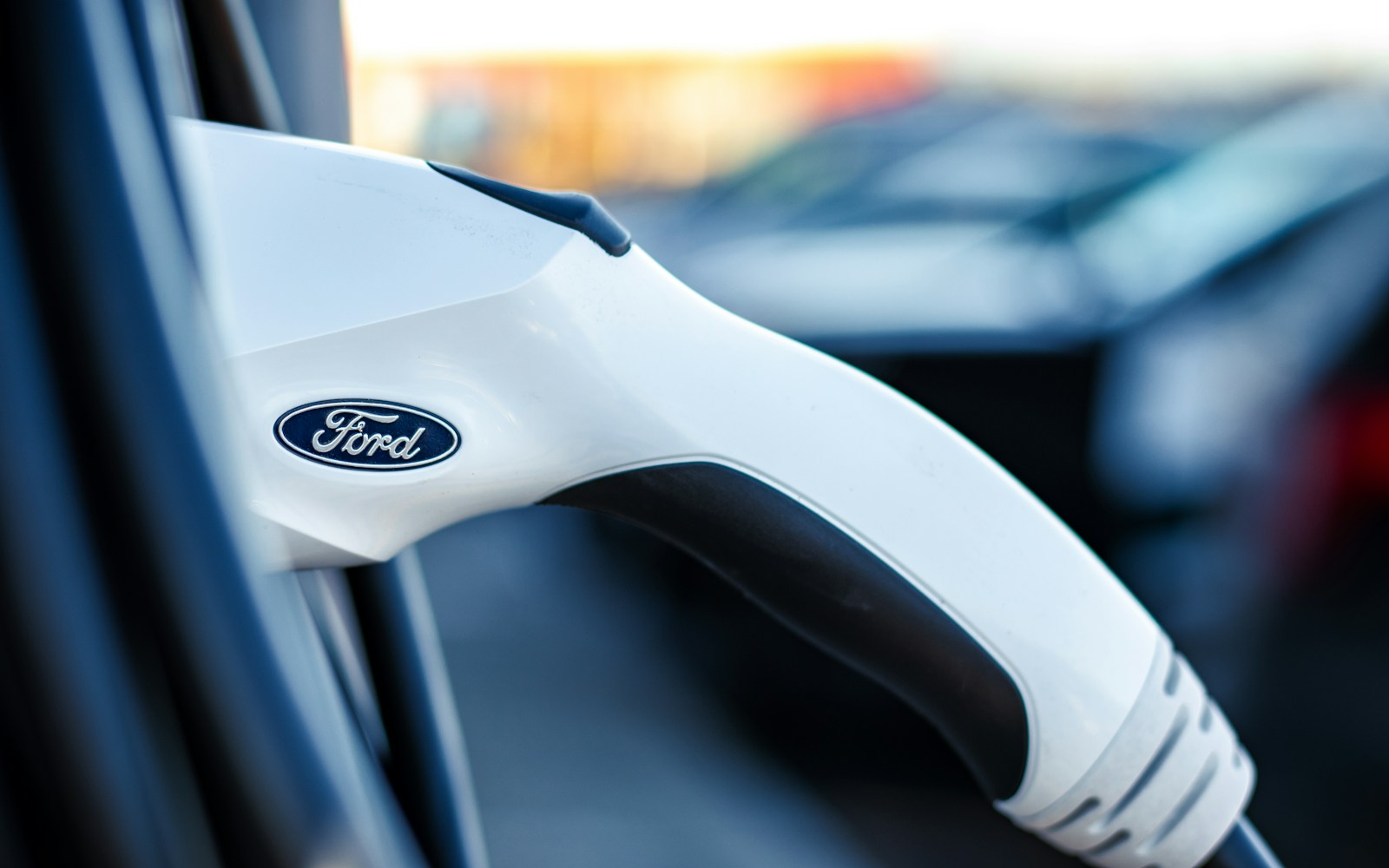
The showroom floor has become a complicated place. Ten years ago, you simply chose between a sedan and an SUV. Today, you must choose a powertrain. The most common dilemma for eco-conscious buyers in 2026 is choosing between a standard hybrid and a plug-in hybrid electric vehicle, also known as a PHEV.
Both options promise to save you money at the pump. Both reduce your carbon footprint. However, they function differently and require different lifestyles to maximize their potential. Making the wrong choice can cost you thousands in upfront fees or lost fuel savings. In this detailed comparison of PHEV vs Hybrid technology, we will break down the mechanics, the costs, and the driving experiences to help you find the perfect match for your garage.
Understanding the Standard Hybrid (HEV)
The standard hybrid is the technology that started the green revolution. It was popularized by the Toyota Prius over two decades ago.
How It Works
A standard hybrid combines a gasoline engine with a small electric motor and a small battery pack. The key feature is that you never plug it in. The battery is recharged exclusively through regenerative braking and by the internal combustion engine itself. The car manages the energy automatically. It switches between gas and electric power seamlessly to maximize efficiency.
The User Experience
Driving a standard hybrid requires zero behavior change. You fill it up with gas just like a regular car. You drive it just like a regular car. The only difference is that you get 50 miles per gallon instead of 30. This simplicity is the primary selling point for hybrid car benefits. It offers massive fuel savings without any range anxiety or charging logistics.
Best For
- Drivers who live in apartments without charging access.
- Drivers who want a lower purchase price.
- Drivers who cover very high mileage on highways where the gas engine does most of the work.
Understanding the Plug-in Hybrid (PHEV)
The plug-in hybrid electric vehicle is a bridge between the gas world and the electric world. Models like the Toyota Prius Prime or the Jeep Wrangler 4xe define this growing segment.
How It Works
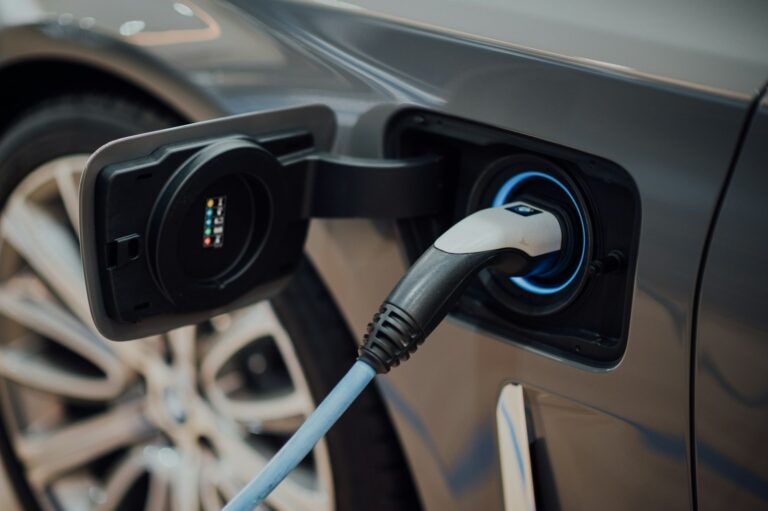
A PHEV has a much larger battery than a standard hybrid. As the name suggests, you can plug it into a wall outlet or a charging station. This allows the car to drive on pure electricity for a specific range, usually between 25 and 45 miles. Once the battery is depleted, the gas engine turns on and the car operates exactly like a standard hybrid.
The User Experience
To get the value out of a PHEV, you must plug it in. If you charge it every night, you can commute to work and back without using a single drop of gasoline. It acts like an EV during the week and a gas car on the weekend road trip. It offers the best of both worlds. However, if you never charge it, you are simply carrying around hundreds of pounds of dead battery weight. This actually makes it less efficient than a standard hybrid.
Best For
- Homeowners with a garage or driveway for charging.
- Commuters with a daily round trip of under 40 miles.
- Drivers who want EV silence but fear running out of power on long trips.
The Cost Comparison: Upfront vs. Long Term
The financial battle of PHEV vs Hybrid is complex. You have to balance the sticker price against the potential fuel savings and tax incentives.
Purchase Price
Standard hybrids are generally cheaper. The battery is the most expensive component in an electrified car. Since a PHEV has a battery that is five to ten times larger, the MSRP is higher. For example, a standard Toyota Prius might cost $28,000 while the Toyota Prius Prime might start at $33,000. That is a $5,000 premium you need to earn back in fuel savings.
Tax Credits
This is where the PHEV fights back. Many plug-in hybrids qualify for federal new car deals and tax credits because of their battery size. A standard hybrid rarely qualifies. If a specific PHEV is eligible for a $3,750 or $7,500 credit, it can instantly become cheaper than the standard hybrid version. Always check the current IRS list before buying.
Driving Dynamics and Performance
Efficiency is not the only metric. Performance matters too.
The Power Advantage
PHEVs are often faster. The larger battery can deliver more energy to the electric motor instantly. The Toyota Prius Prime, for instance, has significantly more horsepower than the standard Prius. It accelerates with more authority. If you want a car that feels punchy and responsive, the plug-in version is usually the superior choice.
Weight and Handling
The downside of the big battery is weight. A PHEV can weigh 300 to 500 pounds more than its hybrid counterpart. You can feel this weight in the corners. The car might feel less agile. Additionally, the battery pack sometimes eats into cargo space. A standard hybrid often has a larger trunk because the small battery fits easily under the rear seat.
The Maintenance Factor
Both powertrains are known for reliability, but there are differences in long-term auto care.
Engine Wear
In a PHEV, the gas engine runs less frequently. If you drive mostly in EV mode, your engine might only run for a few minutes a week. This reduces wear and tear on pistons and bearings. However, it can lead to “stale gas” issues if you do not burn through a tank of fuel every few months.
Brake Life
Both types use regenerative braking, which saves the friction brakes. Brake pads on hybrids and PHEVs can last 100,000 miles.
Battery Degradation
The larger battery in a PHEV is subjected to deeper discharge cycles. While modern thermal management is excellent, replacing a PHEV battery out of warranty is significantly more expensive than replacing a small standard hybrid battery.
Scenario: Who Wins?
Let us look at two common driver profiles to see which technology wins.
Driver A: The Urban Apartment Dweller Driver A lives in a high-rise in Chicago. They park on the street. They drive Uber on the weekends.
- Winner: Standard Hybrid. Without a place to plug in, a PHEV is a waste of money. The standard hybrid gives them 50 MPG automatically without any hassle.
Driver B: The Suburban Commuter Driver B lives in a house with a garage in Atlanta. Their office is 15 miles away. They take a family vacation to Florida twice a year.
- Winner: Plug-in Hybrid (PHEV). They can charge overnight on a standard 120V outlet. Their 30-mile daily commute is done entirely on cheap electricity. They use the gas engine only for the Florida trip. They save thousands on gas annually.
Top Contenders in 2026
If you are shopping right now, here are the benchmarks.
Best Standard Hybrids
- Toyota Prius: The undisputed king of efficiency.
- Honda Accord Hybrid: Offers a more premium, normal car experience.
- Hyundai Elantra Hybrid: A value-packed option with an incredible warranty.
Best Plug-in Hybrids
- Toyota Prius Prime: The best balance of range, price, and reliability.
- Toyota RAV4 Prime: Extremely fast and practical, but often expensive due to high demand.
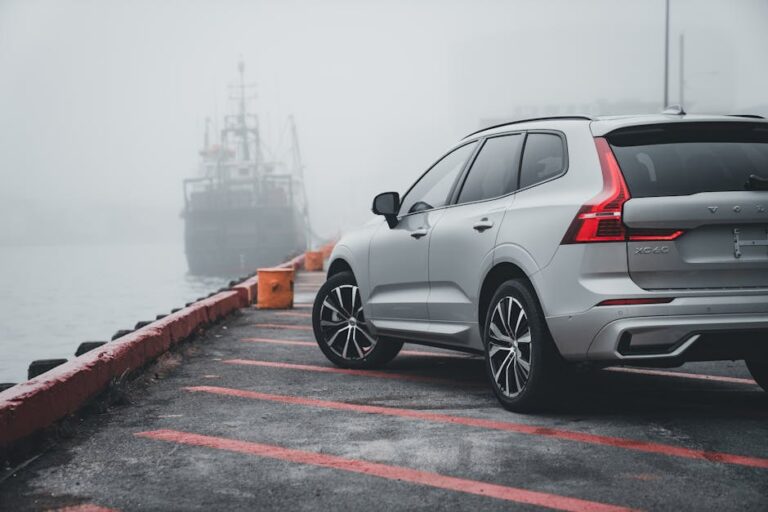
- Volvo XC60 Recharge: A luxury option that brings huge power and class to the segment.
Conclusion
The decision between a standard hybrid and a plug-in hybrid electric vehicle is not just about the car. It is about your infrastructure.
Do not buy a PHEV just because it sounds cool. Buy it only if you can plug it in. If you have the ability to charge, a car like the Toyota Prius Prime is unmatched. It offers the electric driving experience for pennies on the dollar with the safety net of a gas tank.
However, if you want a simple, affordable machine that slashes your gas bill in half with zero effort, the standard hybrid remains one of the smartest new car deals on the market. Assess your daily routine honestly. The right choice is the one that fits your life, not the one with the most hype.