Leasing vs Buying a Car: Which Auto Finance Strategy Wins in 2026?
The moment you decide to acquire a new vehicle, you face a critical financial fork in the road. Should you sign a lease or should you take out a loan to buy? This decision affects your monthly budget, your long-term net worth, and your lifestyle. In the complex world of auto finance, there is no single right answer for everyone. The best choice depends entirely on your driving habits and your financial goals.
In 2026, the landscape of car finance has shifted. Interest rates have stabilized, but vehicle prices remain high. Understanding the nuances of leasing versus buying is the only way to secure the best new car deals and avoid buyer’s remorse. In this detailed guide, we will break down the mechanics of both options to help you decide which path leads to financial victory.
Understanding the Basics of Auto Finance
Before comparing the two, we must define what is actually happening with your money in each scenario.
What Does It Mean to Buy?
When you buy a car, you are paying for the entire value of the vehicle. If you pay cash, you own it immediately. Most people use auto finance to take out a loan. You make monthly payments to a lender for a set term, usually 60 to 72 months. Once the final payment is made, the lender sends you the title. The car is 100 percent yours. You can keep driving it payment-free for years or sell it and keep the cash.
What Does It Mean to Lease?
Leasing is essentially a long-term rental. You do not pay for the entire car. You only pay for the depreciation that occurs while you drive it. If a $40,000 car is expected to be worth $25,000 after three years, you are financing the $15,000 difference plus interest and fees. At the end of the lease term, you return the car to the dealer and walk away. You own nothing.
The Case for Leasing a Car
Leasing is incredibly popular for luxury vehicles and drivers who love technology. It offers several distinct advantages that appeal to modern consumers.
1. Lower Monthly Payments
This is the primary driver for most lessees. Because you are only financing the depreciation rather than the full value, your monthly bill is significantly lower. In many cases, you can drive a premium vehicle for the same monthly cost as buying a standard economy car. If cash flow is your priority, leasing often wins.
2. Always Driving a New Car
Technology moves fast. Safety features, infotainment screens, and fuel efficiency improve every year. When you lease, you are always in a vehicle that is less than three years old. You never have to worry about driving an outdated machine. You simply hand the keys back and pick out one of the latest new car deals available on the lot.
3. Minimal Maintenance Worries
Most lease terms last for 36 months. This coincides perfectly with the factory bumper-to-bumper warranty. If the engine fails or the electronics glitch, it is the manufacturer’s problem, not yours. You are rarely responsible for major repairs. You usually only pay for routine oil changes and tire rotations.
The Case for Buying a Car
While leasing offers short-term benefits, buying is the traditional path to wealth building. It is a long-term play.
1. Total Ownership and Equity
When you buy new car models, you are building equity. Every payment reduces the principal balance. Once the loan is paid off, you have a valuable asset. You can drive that car for another five or ten years without a monthly payment. This “payment-free” period is where the real financial savings occur. You can redirect that money into investments or savings.
2. No Mileage Restrictions
Lease agreements are strict. They typically limit you to 10,000 or 12,000 miles per year. If you exceed this limit, the penalties are severe. You could owe thousands of dollars at the end of the term. When you buy, you can drive as much as you want. You can take a cross-country road trip without stressing about the odometer.
3. Modification Freedom
Do you want to install a new sound system? Do you want to add a roof rack or custom wheels? If you own the car, you can do whatever you like. Leased vehicles must be returned in stock condition. Any unauthorized changes can result in heavy fines.
The Hidden Costs of Leasing
Leasing can look attractive on paper until you read the fine print. The advertised car finance rate often hides fees that can destroy the value proposition.
- Acquisition Fee: This is a fee just to start the lease. It can range from $500 to $1,000.
- Disposition Fee: This is a fee to turn the car in at the end of the lease.
- Wear and Tear Charges: If the car has scratches, dents, or stained upholstery, the dealer will charge you to fix them. They expect the car to be returned in showroom condition.
The Hidden Costs of Buying
Buying is not without its risks either. The biggest enemy of the buyer is depreciation.
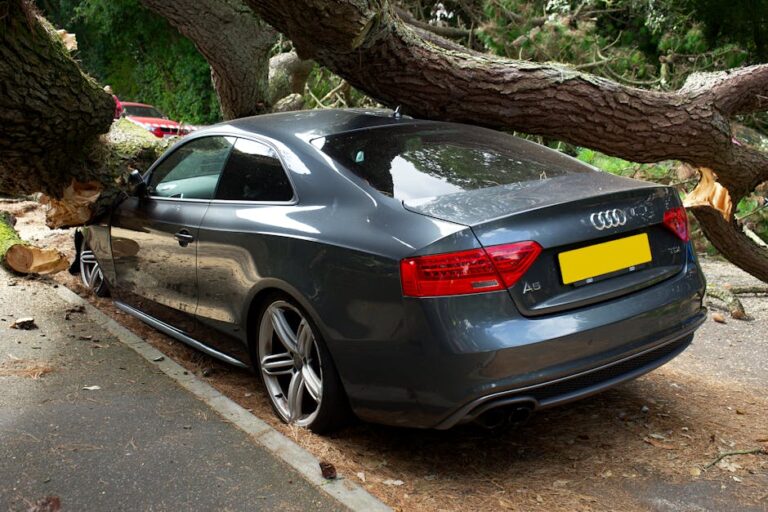
- Market Fluctuations: If you buy a car that becomes unpopular or develops a reputation for unreliability, its value will tank. You could end up “underwater” on your loan. This means you owe more to the bank than the car is worth.
- Post-Warranty Repairs: Once the warranty expires, you are on the hook for everything. A transmission failure in year five can cost thousands of dollars.
Analyzing the Numbers: A 6-Year Comparison
Let us look at a hypothetical scenario to see the real cost. Imagine a driver needs a vehicle for six years.
Scenario A: The Serial Leaser This driver leases two cars back-to-back. They pay an acquisition fee twice. They always have a monthly payment. After six years, they have spent $30,000 in payments and fees. They have no car and no equity. They must lease again or walk.
Scenario B: The Long-Term Buyer This driver takes out a 60-month auto finance loan. The monthly payments are higher than the lease. However, after year five, the payments stop. In year six, they pay $0. They own a car worth $12,000. Their total net cost is significantly lower than the leaser because they have an asset to show for their spending.
Strategies for the Best Deal
Whether you choose to lease or buy, you need a strategy to get the best price.
Leasing Strategy
Look for vehicles with high residual values. Cars that hold their value well are cheaper to lease because there is less depreciation to finance. SUVs and trucks often have better lease rates than luxury sedans. Also, check for “Zero Due at Signing” offers. Putting a large down payment on a lease is risky. If the car is totaled in a crash, that down payment is lost forever.
Buying Strategy
Focus on the APR. Your credit score determines your interest rate. A difference of 2 percent on a car finance loan can cost you thousands over the life of the loan. Get pre-approved by a credit union before visiting the dealership. This gives you leverage to negotiate the dealer’s financing offer.
When to Lease vs. When to Buy
Here is the final verdict to help you choose.
You Should Lease If:
- You love driving a new car every few years.
- You want the lowest possible monthly payment to free up cash flow now.
- You drive less than 12,000 miles per year.
- You use the car for business and can write off the lease payment as a tax deduction.
You Should Buy If:
- You plan to keep the car for at least five to seven years.
- You drive high mileage annually.
- You want to eventually eliminate your monthly car payment.
- You are rough on vehicles and do not want to worry about wear-and-tear charges.
Conclusion
The battle between leasing and buying is a personal one. There is no shame in leasing if you value convenience and novelty. There is no shame in buying if you value equity and long-term savings.
In 2026, the key is to be informed. Read the contract. Calculate the total cost of ownership over the full term. Do not just look at the monthly payment. By understanding the mechanics of auto finance, you can make a decision that fits your budget and keeps you on the road in style. Whether you sign a lease or a purchase agreement, ensure it is on your terms.