
Michelin Tires vs Goodyear Tires: Who Makes the Best All-Season Tires in 2026?
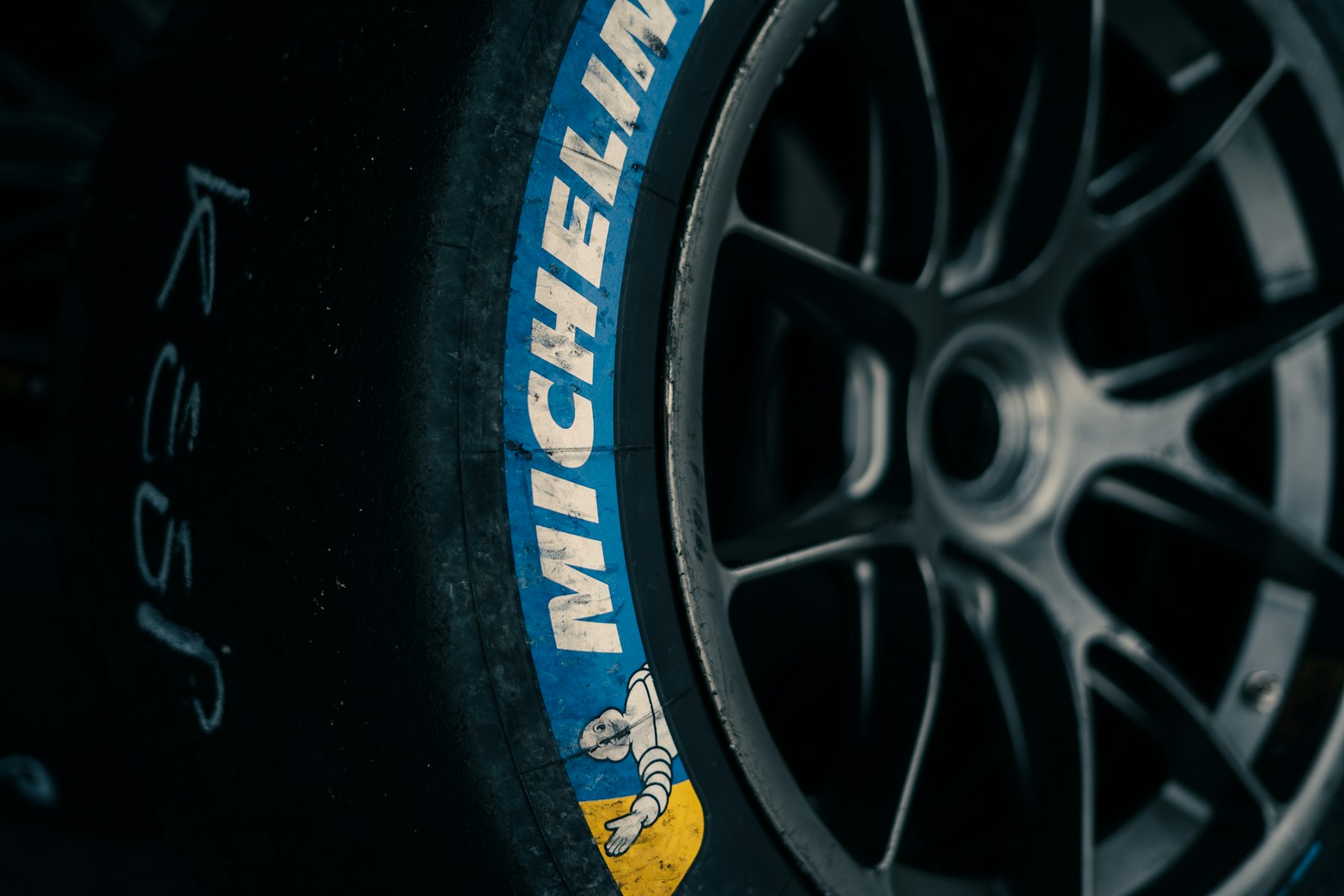
Your tires are the only four points of contact between your vehicle and the road. You can have the most advanced safety systems in the world, but they are useless if your tires cannot grip the pavement. For the average American driver, the search for the best all season tires is a balance of performance, longevity, and price.
Two names consistently dominate tire reviews and sales charts. Those names are Michelin and Goodyear. These industry titans have been rivals for over a century. Michelin is often seen as the premium European choice while Goodyear represents classic American durability. In this comprehensive comparison, we will analyze their flagship products to help you decide which rubber deserves a spot on your wheels in 2026.
The Importance of Choosing the Right Tire
Before diving into the brand battle, it is vital to understand why tire choice matters for auto care.
Safety First
Cheap tires often have longer stopping distances in wet conditions. High-quality tires from reputable brands like Michelin or Goodyear use advanced silica compounds. These compounds allow the tire to remain flexible in cold weather and grip tightly in the rain. Investing in premium tires is investing in the safety of your family.
Fuel Economy
Rolling resistance is a real factor. A tire designed for efficiency can save you hundreds of dollars in fuel over its lifespan. Both brands offer “eco” lines, but their approaches differ significantly.
The Case for Michelin Tires
If you read professional tire reviews, you will notice a trend. Michelin tires almost always place in the top three. The French manufacturer has a reputation for obsession with quality control.
The Michelin Defender 2
This is the gold standard for passenger car all-season tires. The Defender 2 is famous for its incredible tread life. Michelin offers an 80,000-mile warranty on this model. For the average driver doing 12,000 miles a year, this set of tires could last nearly seven years.
The secret lies in the EverTread compound. It resists wear without sacrificing grip. In our analysis, the Defender 2 provides a quieter ride than almost any competitor. If your priority is comfort and longevity, Michelin tires are hard to beat.
The CrossClimate2
This tire changed the game. It features a unique V-shaped tread pattern that looks aggressive. It is technically an all-season tire, but it carries the Three-Peak Mountain Snowflake symbol. This means it is legally certified for severe snow service.
For drivers in the Midwest or Northeast who do not want to buy a separate set of winter tires, the Michelin CrossClimate2 is arguably the best all season tires option available today. It handles rain, light snow, and dry pavement with equal competence.
The Case for Goodyear Tires
Goodyear tires have been keeping America rolling since 1898. The brand focuses on innovation and durability. They are often slightly more affordable than Michelin, offering excellent value proposition.
The Goodyear Assurance WeatherReady
This is Goodyear’s direct answer to the CrossClimate2. It features “Weather Reactive” technology. As the tire wears down, the tread grooves actually evolve to maintain traction. This is a brilliant engineering feat.
In heavy rain, the Assurance WeatherReady excels. It has sweeping tread grooves that evacuate water instantly to prevent hydroplaning. For drivers in rainy climates like Seattle or Florida, Goodyear tires offer peace of mind during sudden downpours.
The Eagle Exhilarate
If you drive a sports sedan, you might want more performance. The Goodyear Eagle Exhilarate is an ultra-high-performance all-season tire. It offers sharper steering response than the standard Michelin Defender. It allows you to feel the road. It proves that Goodyear tires can be fun, not just functional.
Head-to-Head Performance Comparison
To determine the winner, we must look at specific performance metrics found in independent tire reviews.
1. Wet Braking
In controlled tests stopping from 60 mph on wet pavement, Michelin tires typically stop 3 to 5 feet shorter than competitors. The silica mixture in their rubber is world-class. Winner: Michelin
2. Snow Traction
While both brands offer great options, the Michelin CrossClimate2 dominates this category. Its ability to claw through three inches of snow is unmatched in the all-season category. Goodyear is close with the WeatherReady, but Michelin holds the edge. Winner: Michelin
3. Ride Comfort and Noise
Michelin tires are engineered for silence. They use computer-optimized tread blocks to cancel out road noise frequencies. Goodyear tires are comfortable, but some users report they get slightly louder as they wear down past 20,000 miles. Winner: Michelin
4. Price and Value
This is where Goodyear tires shine. A set of four Goodyear Assurance tires can cost $100 to $150 less than a comparable set of Michelins. Furthermore, Goodyear rebates are often more generous. If you are on a strict budget but still want a Tier-1 brand, Goodyear is the logical choice. Winner: Goodyear
5. Tread Life Warranty
Both companies stand behind their products. Michelin offers up to 80,000 miles. Goodyear typically tops out at 60,000 or 75,000 miles for similar models. However, getting a warranty claim approved is reportedly easier with Goodyear’s massive network of service centers. Tie
Understanding Tire Codes
When shopping for the best all season tires, you need to read the sidewall. You will see a code like “225/65R17 102H”.
- 225: The width of the tire in millimeters.
- 65: The aspect ratio. A lower number means a thinner sidewall for better handling. A higher number means a taller sidewall for better comfort.
- 17: The rim diameter in inches.
- 102: The load index. This tells you how much weight the tire can carry.
- H: The speed rating. H means the tire is safe up to 130 mph.
Always check your owner’s manual for the correct size. Putting the wrong size on your car can mess up your speedometer and transmission.
When to Buy Tires for the Best Deal
Timing your purchase is a key part of auto care strategy.
- October: Retailers run “Fall Car Care” promotions to prepare drivers for winter. This is often the best time to find rebates on Michelin tires.
- April: Spring sales events are common. Manufacturers want to clear out winter inventory and push touring tires.
- Black Friday: Online retailers like Tire Rack and Amazon offer massive discounts during the holiday shopping season.
Also, look for “Buy 3 Get 1 Free” deals at local dealerships. While dealers are usually expensive for service, their tire prices are often very competitive because they want to get you in the door.
The Verdict: Which Brand Should You Choose?
The battle for the title of best all season tires is close.
Choose Michelin Tires If:
- Budget is not your primary concern.
- You want the absolute best wet braking performance for safety.
- You live in an area with occasional snow and want the CrossClimate2 versatility.
- You plan to keep the car for another 5 to 7 years and want maximum tread life.
Choose Goodyear Tires If:
- You want a premium American brand at a better price point.
- You live in a very rainy climate and need superior hydroplaning resistance.
- You prefer a slightly sportier feel in the steering wheel.
- You have a Goodyear service center nearby for easy rotations and warranty work.
Conclusion
You cannot go wrong with either of these giants. Both Michelin tires and Goodyear tires represent the pinnacle of automotive safety engineering.
In 2026, the technology in tires has advanced to incredible levels. They last longer, grip harder, and roll quieter than ever before. Read the latest tire reviews, check your budget, and inspect your current tread depth today. Do not wait for a blowout to make a decision. A fresh set of the best all season tires will transform the way your car drives and keeps you safe on every journey.