Sedan vs. SUV: Which Body Style is the Smarter Buy in 2026?
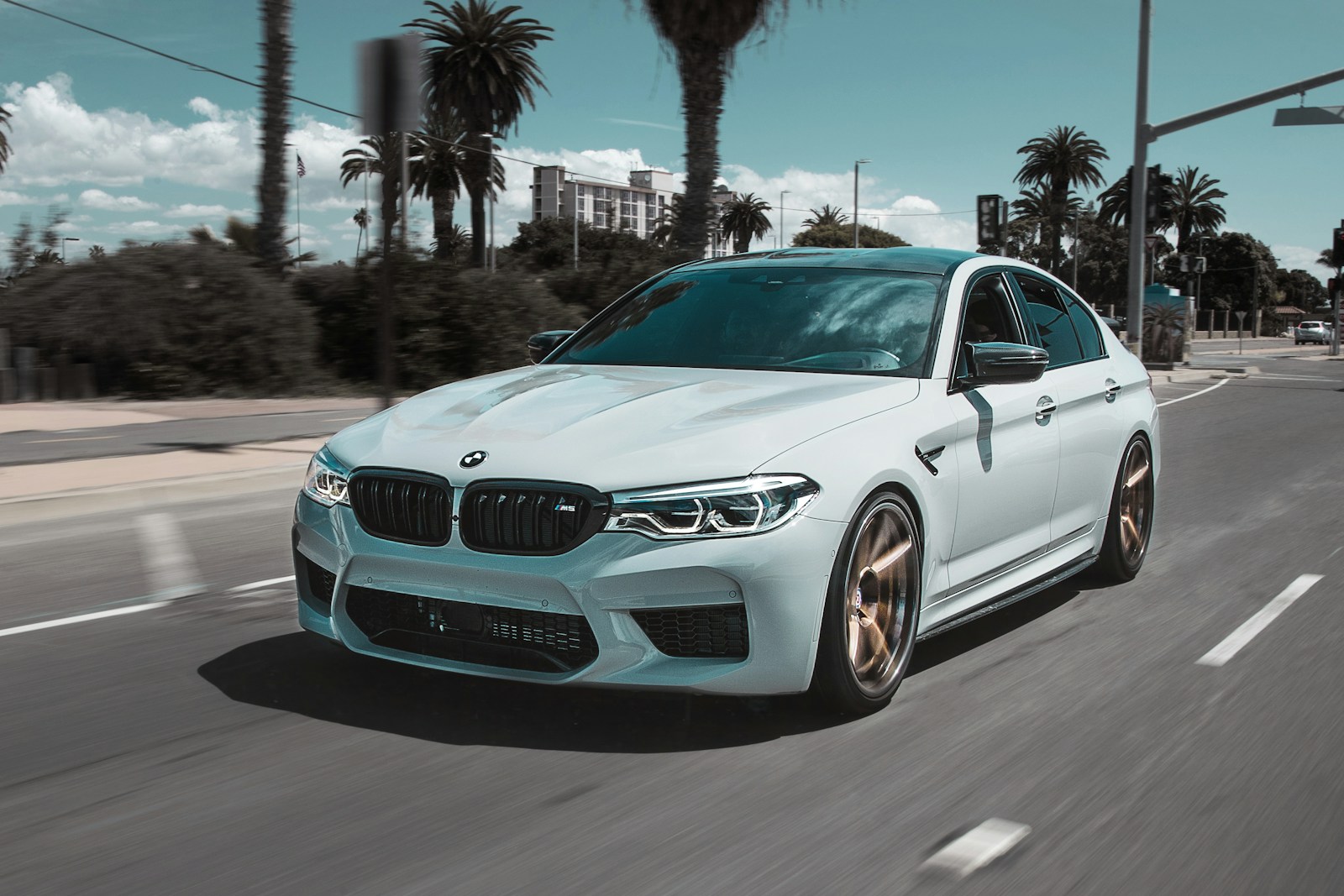
Walk into any dealership in America today and you will see a sea of tall, boxy vehicles. The Sport Utility Vehicle, or SUV, has conquered the roads. For the last decade, drivers have abandoned the traditional four-door sedan in favor of the high-riding crossover. Automakers like Ford have even stopped building sedans entirely to focus on their SUV lineups.
However, in 2026, the humble sedan is making a quiet comeback. With fluctuating gas prices and rising vehicle costs, smart buyers are taking a second look at the classic car shape. Choosing between a sedan vs SUV is the most fundamental decision you will make. It dictates your fuel economy, your safety, and your driving enjoyment for years to come. In this final comparative guide, we will break down the pros and cons of each body style to help you decide if you really need that extra ground clearance or if a sedan is the smarter financial move.
The Case for the Sedan
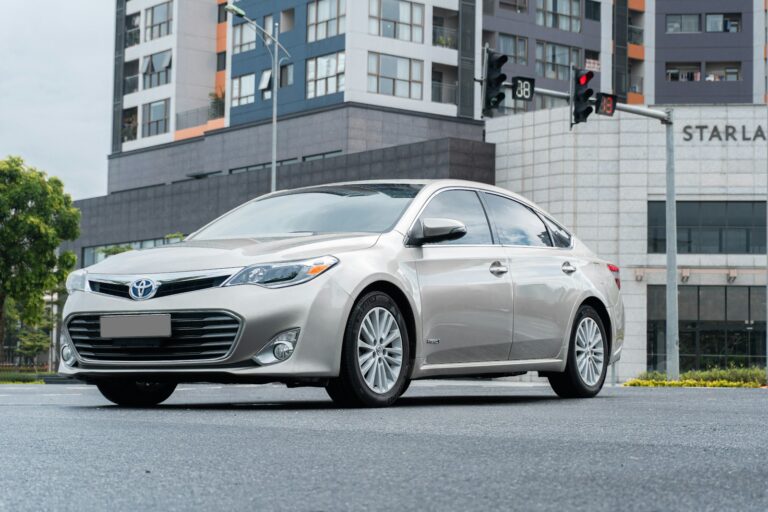
The sedan has been the standard for automotive design for a century for good reason. It is efficient, safe, and aerodynamic.
1. Superior Fuel Economy
Physics is undefeated. A sedan sits lower to the ground. It has a smaller frontal area. It is lighter. This means it cuts through the air with less resistance than a blocky SUV.
- The Math: A Toyota Camry (sedan) will almost always get better gas mileage than a Toyota RAV4 (SUV) with the same engine. Over 100,000 miles, this difference in SUV gas mileage vs sedan mileage adds up to thousands of dollars in fuel savings.
2. Driving Dynamics
Because a sedan carries its weight low, it handles better. It hugs the corners. It feels stable at high speeds. When you drive a sedan, you feel connected to the road. In an emergency maneuver, like swerving to avoid a deer, a sedan is less likely to lose composure than a top-heavy SUV. For drivers who enjoy the act of driving, the best commuter car is almost always a sedan.
3. The Price Advantage
Sedans are cheaper to build. They require less metal and smaller tires. This savings is passed on to you. You can often buy a well-equipped mid-size sedan for $5,000 less than a comparable crossover SUV. If you are on a strict budget, the sedan offers more features for your dollar.
The Case for the SUV
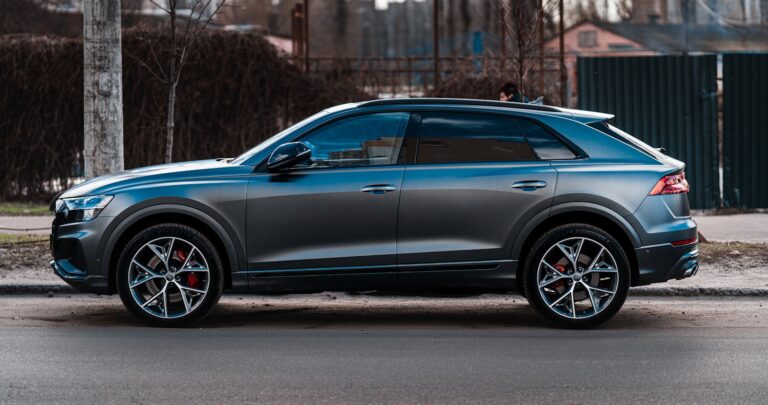
The popularity of the SUV is not a fluke. It solves problems that American families face daily.
1. The Command Driving Position
This is the number one reason people cite for buying an SUV. You sit high. You can see over the traffic ahead. This improved visibility gives drivers a sense of confidence and security. Once you get used to this high vantage point, it is very difficult to go back to sitting low in a sedan.
2. Cargo Flexibility
A sedan has a trunk. It is a secure, locked box. An SUV has a hatch. If you fold the rear seats down, an SUV transforms into a cargo van. You can fit a flat-screen TV, a bicycle, or a piece of furniture. The vertical space allows you to stack items. For active families or homeowners who frequently visit hardware stores, the utility of an SUV is unmatched.
3. Ease of Entry and Exit
As the population ages, this becomes critical. In a sedan, you have to drop down into the seat and climb up out of it. In an SUV, the seat is at hip height. You simply slide in. This is also a major benefit for parents with babies. Buckling a child into a car seat is much easier when you do not have to bend over and strain your back.
Safety: Perception vs. Reality
Safety is a complex topic in the sedan vs SUV debate.
The SUV Weight Advantage
In a collision between two vehicles, the heavier vehicle usually wins. An SUV weighs more than a sedan. This mass provides a significant advantage in a head-on crash. This physical reality drives many parents to put their teen drivers in SUVs.
The Rollover Risk
While SUVs are better in head-on impacts, they have a higher center of gravity. Historically, this made them prone to rolling over. Modern electronic stability control has largely mitigated this risk, but it has not eliminated it. A sedan is inherently more stable and harder to flip.
Active Safety
Because sedans handle better and brake in shorter distances, they are better at avoiding accidents in the first place. An SUV protects you well during the crash. A sedan helps you miss the crash entirely.
Cost of Ownership Comparison
Let us look beyond the sticker price. Which one costs more to keep on the road?
Tires and Brakes
SUVs are heavy. They eat tires and brakes faster than sedans. Furthermore, SUV tires are larger and more expensive. Replacing a set of 19-inch SUV tires can cost $1,200. Replacing a set of 17-inch sedan tires might cost $600.
Insurance Premiums
Insurance rates vary, but SUVs can sometimes be more expensive to insure due to the potential for causing more damage to other vehicles in a crash. However, because sedans are often bought by younger, riskier drivers, the rates can balance out. Always get a quote for both before buying.
Resale Value
In the current market, SUVs hold their value better. The demand for used crossovers is insatiable. A five-year-old Honda CR-V will likely be worth more than a five-year-old Honda Accord. If you plan to sell the car in a few years, the SUV might recoup its higher initial cost through better resale value.
The “Crossover” Compromise
The lines are blurring. The modern “Crossover” is technically a tall station wagon. It is built on a car platform (unibody) but looks like a truck.
Vehicles like the Subaru Outback or the Mazda CX-5 try to offer the best of both worlds. They have the fuel economy and handling of a sedan with the cargo space of an SUV. For 80 percent of buyers, the crossover is the sweet spot. It is the goldilocks solution.
The Verdict: Who Should Buy What?
To make the right choice, look at your lifestyle honestly.
Buy a Sedan If:
- You Commute Alone: If you drive 50 miles a day by yourself, you do not need to haul empty air. Get the better gas mileage.
- You are on a Budget: You want lower monthly payments and cheaper maintenance.
- You Enjoy Driving: You prefer a car that feels agile and responsive.
- You Rarely Haul Cargo: Your trunk is empty 99 percent of the time.
Buy an SUV If:
- You Have a Family: You need space for strollers, sports gear, and groceries all at once.
- You Have Mobility Issues: You need the higher seat height for easy access.
- You Deal with Bad Weather: The extra ground clearance is vital for deep snow.
- You Tow: Even small SUVs can tow a utility trailer. Most sedans cannot.
Conclusion
The death of the sedan has been exaggerated. In 2026, as auto industry trends shift back towards efficiency and affordability, the sedan remains a brilliant choice for the pragmatic driver.
However, the versatility of the SUV is undeniable. It is the Swiss Army Knife of the automotive world. Whether you choose the efficiency of a sedan or the utility of an SUV, ensure you are buying it for your actual needs, not just because it is what everyone else is driving. Test drive both on the same day. The right answer will reveal itself in the first five miles.