SUV vs Minivan: Which is the Best Family Car for Your Lifestyle in 2026?
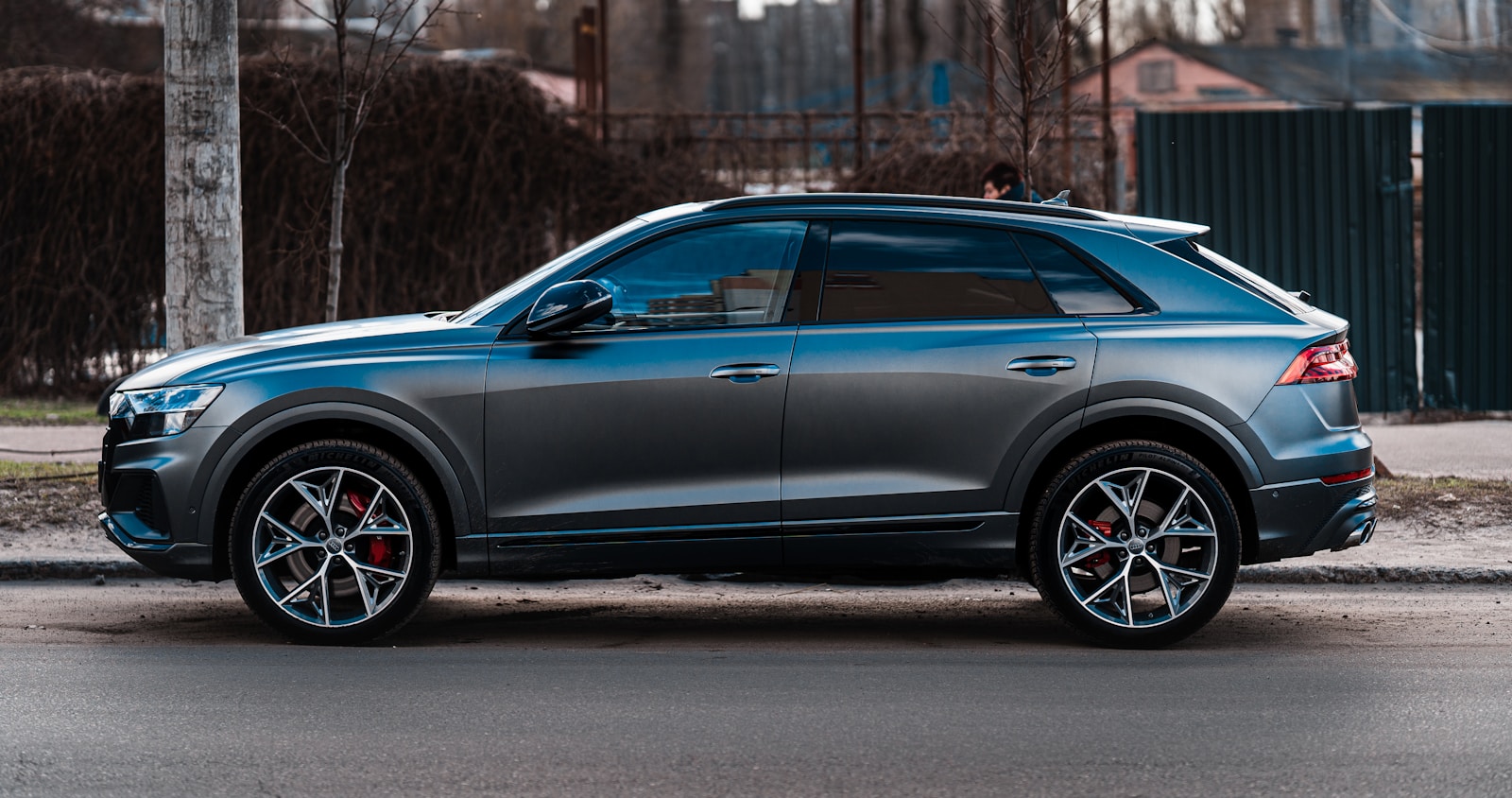
The arrival of a second or third child usually triggers a specific conversation in every household. It is the debate over the next vehicle. For decades, the choice for the best family car has come down to two heavyweights. In one corner, you have the rugged and stylish Sport Utility Vehicle or SUV. In the other corner, you have the practical and spacious Minivan.
Choosing between an SUV vs minivan is not just about seating capacity. It is about how you live your life. It involves analyzing your daily commute, your vacation habits, and your tolerance for the “cool factor.” In 2026, both segments have evolved. SUVs have become more car-like and efficient. Minivans have become more luxurious and tech-filled. In this comprehensive comparison, we will break down the pros and cons of each to help you decide which one deserves a spot in your driveway.
The Case for the Minivan
Let us address the elephant in the room. The minivan has an image problem. Many drivers swear they will never own one because they fear it signals the end of their youth. However, from a purely functional standpoint, the minivan remains the undefeated champion of family hauling.
The Magic of Sliding Doors
If you have small children, sliding doors are a game-changer. They open with the push of a button on your key fob. More importantly, they slide along the body of the car rather than swinging out. This means your kids cannot accidentally slam the door into the parked car next to you at the grocery store. This feature alone saves parents from countless insurance headaches and apologies to strangers.
Unmatched Cargo Space
When discussing minivan cargo space, nothing else compares. The floor is low and flat. The ceiling is high. A vehicle like the Toyota Sienna or Honda Odyssey offers a deep well behind the third row. You can fit a double stroller and a week’s worth of groceries without folding down a single seat. In most three-row SUVs, deploying the third row eliminates almost all trunk space.
Third-Row Accessibility
In a minivan, the third row is designed for adults. The walkthrough between the second-row captain’s chairs is wide. A six-foot-tall teenager can sit in the back comfortably for a long road trip. If you regularly transport more than four people, the minivan offers superior comfort for every passenger.
The Case for the Family SUV
The SUV is currently the dominant force in the American auto market. It accounts for the vast majority of new car deals and sales. There are compelling reasons why families flock to these vehicles.
The “Cool” Factor and Styling
Image matters. SUVs look adventurous. They have large wheels, aggressive grilles, and a rugged stance. Driving a Ford Explorer or a Kia Telluride feels powerful. For many parents, avoiding the “soccer mom” stereotype associated with minivans is worth sacrificing a little bit of interior volume.
All-Weather Capability
While some minivans offer all-wheel drive (AWD), it is a standard or easily available feature on almost every family SUV. If you live in a region with heavy snow or unpaved roads, the extra ground clearance of an SUV is essential. You can drive over snow banks that would beach a low-riding minivan.
Towing Capacity
If your family lifestyle involves a boat or a camper trailer, the SUV is the clear winner. A large SUV like the Chevrolet Tahoe can tow upwards of 8,000 pounds. Most minivans maximize their towing capacity at 3,500 pounds. This limits you to a very small utility trailer. For the adventurous family, the SUV vs minivan debate ends the moment you need to hitch up a heavy load.
Safety Comparison
Safety is the number one priority for any best family car contender. Fortunately, both segments excel here.
Crash Test Ratings
Modern engineering ensures that both minivans and SUVs perform exceptionally well in government crash tests. However, the higher ride height of an SUV can offer a perception of safety. Being seated higher allows the driver to see further down the road over traffic.
The Rollover Risk
Historically, SUVs had a higher risk of rolling over due to their high center of gravity. Electronic stability control has largely mitigated this risk in 2026. Conversely, minivans have a lower center of gravity, which makes them feel more stable in corners and during emergency evasion maneuvers.
Visibility and Blind Spots
Minivans typically have massive windows and thin pillars. The visibility is often better than in an SUV, which may have thick pillars to support the roof during a rollover event. Excellent visibility is a critical active safety feature that helps prevent accidents before they happen.
Cost of Ownership
Financial considerations are crucial when planning your auto finance budget.
Fuel Economy
This gap is closing. Hybrid technology is now common in both segments. The Toyota Sienna is exclusively a hybrid and achieves over 35 miles per gallon. However, crossover SUVs like the Toyota Highlander Hybrid offer similar numbers. Large, truck-based SUVs are still thirsty, often averaging less than 20 miles per gallon. If fuel costs are a concern, a minivan or a mid-size crossover is the smart play.
Insurance Premiums
Insurance rates vary by driver, but minivans are generally cheaper to insure. The data shows that minivan drivers are statistically safer and take fewer risks. SUVs, especially expensive luxury models, can command higher premiums due to higher repair costs and theft rates.
Resale Value
SUVs typically hold their value better than minivans. The demand for used SUVs is insatiable. You will likely get a higher percentage of your purchase price back when you trade in a Honda Pilot compared to a Honda Odyssey.
Driving Dynamics
How does the car feel from behind the wheel?
The Car-Like Minivan
A minivan is built on a car platform. It drives like a large sedan. The ride is soft and compliant. It is designed to not wake a sleeping baby. Steering is usually light and easy for parking maneuvers.
The Truck-Like SUV
Large SUVs are often built on truck frames. They feel heavier and stiffer. You feel the bumps more. While this provides a sense of solidity, it can be fatiguing on very long drives. Crossover SUVs (unibody construction) bridge this gap, offering a ride that is very similar to a minivan.
The Verdict: Which One Should You Buy?
The decision of SUV vs minivan comes down to your specific needs.
You Should Buy a Minivan If:
- Practicality is King: You want the easiest loading and unloading experience possible.
- You Have 3+ Kids: You need usable third-row seats and cargo space simultaneously.
- Easy Access Matters: You are tired of lifting heavy car seats up into a tall truck.
- Value is Priority: You want the most interior space for your dollar.
You Should Buy an SUV If:
- Image is Important: You prefer the rugged look and feel of a utility vehicle.
- Weather is a Factor: You need high ground clearance for deep snow or rough terrain.
- You Tow Toys: You need to pull a boat or travel trailer on weekends.
- Resale Value Counts: You plan to trade the vehicle in after three years and want maximum equity.
Conclusion
In the battle for the title of best family car, there is no wrong choice. There is only the choice that fits your life.
If you can get past the image stigma, the minivan is objectively the superior tool for moving people and gear. It is a living room on wheels. However, the modern family SUV offers 90 percent of that utility wrapped in a package that many drivers find more attractive and capable. Test drive both. Bring your car seats. Bring your stroller. See which one makes your daily routine easier. That is the true winner.