Tesla vs Gas Car Cost of Ownership: The Real Truth in 2026
The American automotive landscape is divided. On one side, you have the loyalists of the internal combustion engine who love the rumble of a V8 and the convenience of a five-minute fill-up. On the other side, you have the disciples of Elon Musk who swear that driving a Tesla is the only financially logical choice.
The debate often centers on emotions or politics. However, for the smart consumer, the only thing that matters is the math. Does buying an electric vehicle actually save you money in the long run? Or do the higher upfront costs and insurance premiums negate the fuel savings?
In 2026, gas prices have stabilized but remain high. Meanwhile, Tesla has aggressively cut prices to maintain market share. In this comprehensive analysis of Tesla cost of ownership versus a traditional gas car, we will crunch the numbers. We will look at purchase price, fuel, maintenance, insurance, and depreciation to find the real truth.
1. The Upfront Purchase Price
Historically, electric cars were significantly more expensive than their gas counterparts. This gap is closing rapidly.
The Tesla Model 3 vs. The Competition
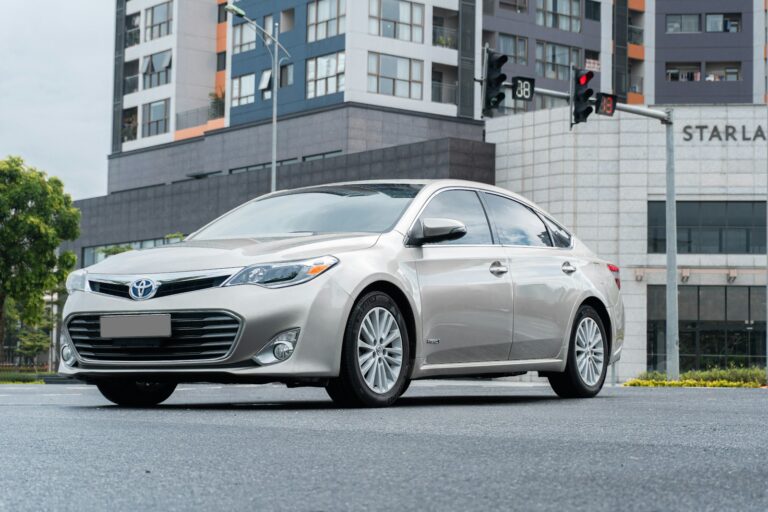
Let us compare the Tesla Model 3, the best-selling electric sedan, against a standard Toyota Camry or Honda Accord. In 2026, the base Model 3 has a starting price that is remarkably close to a well-equipped Camry XSE.
When you factor in the federal tax credit of $7,500, the effective purchase price of the Tesla often drops below the gas car. This is a game-changer. For the first time in history, the electric option might be cheaper to drive off the lot than the internal combustion option.
However, if you are looking at the luxury segment, the Model S still commands a premium over a comparable BMW 5 Series or Mercedes E-Class. In the mass market segment, Tesla has achieved price parity.
2. Fuel Costs: Electricity vs. Gasoline
This is where the biggest savings occur. It is the primary reason people switch to EVs.
The Math of Miles
Let us assume you drive 12,000 miles per year.
- Gas Car: A modern sedan gets 30 miles per gallon. At a gas price of $3.50 per gallon, you will spend roughly $1,400 per year on fuel.
- Tesla: The Model 3 is incredibly efficient. It uses about 25 kWh for every 100 miles. At a national average electricity rate of $0.16 per kWh, driving 12,000 miles costs about $480 per year.
The Savings
The electric car savings in this scenario equal nearly $1,000 annually. Over a five-year ownership period, that is $5,000 stays in your pocket. If gas prices spike to $5.00 again, those savings double. This category is a clear win for Tesla.
3. Maintenance and Repairs
The narrative is that EVs have fewer moving parts and therefore require less maintenance. This is true, but there is a catch.
The Tesla Advantage
A gas engine has thousands of moving parts. It has pistons, valves, spark plugs, timing belts, and water pumps. All of these can fail. A Tesla motor has roughly 20 moving parts.
- No Oil Changes: You never have to pay for an oil change again.
- Brake Wear: Because of regenerative braking, the electric motor slows the car down. This saves the physical brake pads. Tesla owners often go 100,000 miles before needing a brake job.
The Tesla Disadvantage
While routine maintenance is cheap, repairs are expensive. If a suspension component breaks or the air conditioning fails, Tesla parts are pricey. Furthermore, labor rates at certified Tesla centers are often higher than your local independent mechanic.
The Tire Eater
There is one maintenance cost where Tesla loses. Teslas are heavy due to the battery pack. They also produce instant torque. This combination eats tires. Tesla owners often report needing new tires every 20,000 to 25,000 miles. A set of specialized EV tires can cost $1,200. This higher tire consumption eats into some of the maintenance costs savings.
4. Insurance Premiums
This is the hidden killer of Tesla cost of ownership. Many buyers are shocked when they get their insurance quote.
Why Tesla Insurance is High
Teslas are expensive to repair. The body panels are often aluminum, which is difficult to work with. There is a shortage of certified body shops. If you get into a fender bender, the repair bill can be double that of a Toyota Camry.
Insurance companies know this. Consequently, premiums for a Model 3 or Model Y are typically 30 percent to 50 percent higher than a comparable gas car. If you are saving $80 a month on gas but paying $80 more a month on insurance, you have broken even. You must get a quote before you buy.
5. Depreciation and Resale Value
Depreciation is the largest single cost of owning a car. It is the money you lose when you sell the vehicle.
The Volatility of Tesla
Tesla changes its new car prices frequently. When Tesla cuts the price of a new Model Y by $10,000 overnight, the value of every used Model Y instantly drops by a similar amount. This volatility makes predicting resale value difficult.
The Gas Car Stability
Trusted brands like Toyota and Honda have very predictable depreciation curves. They hold their value well.
However, as the world moves towards 2030 and electric mandates loom, the value of gas cars might plummet. Conversely, it might skyrocket as they become “classics.” Currently, Teslas hold their value reasonably well, but they are not the “appreciating assets” that Elon Musk once claimed they would be.
6. The Opportunity Cost of Time
There is a cost that does not appear on a spreadsheet. It is the cost of your time.
The Gas Station Experience
Filling a gas tank takes five minutes. You can do it on any corner. It is convenient.
The Charging Experience
If you can charge at home, a Tesla saves you time. You plug in at night and wake up with a full “tank.” You never visit a gas station again.
However, if you rely on public charging, Tesla costs you time. Stopping at a Supercharger for 30 minutes on a road trip is a delay. For busy professionals, time is money. You must factor this lifestyle change into your auto finance decision.
7. The 5-Year Verdict
Let us add it all up for a typical 5-year ownership cycle.
The Gas Sedan (Toyota Camry)
- Purchase: $30,000
- Fuel: $7,000
- Maintenance: $3,000
- Insurance: $6,000
- Depreciation Loss: $12,000
- Total 5-Year Cost: $58,000
The Electric Sedan (Tesla Model 3)
- Purchase: $35,000 (after tax credit effectively $27,500)
- Electricity: $2,400
- Maintenance: $2,000 (Tires are the main cost)
- Insurance: $9,000
- Depreciation Loss: $15,000
- Total 5-Year Cost: $55,900
Conclusion
In 2026, the math has finally tipped. For the average American driver, the Tesla cost of ownership is now slightly lower than a comparable gas car. The massive savings in fuel and the federal tax incentives are enough to offset the higher insurance premiums and tire wear.
However, the margin is thin. It is not a landslide victory.
You Should Buy a Tesla If:
- You can charge at home. This is non-negotiable for maximum savings.
- You drive more than 10,000 miles a year. The more you drive, the more you save on gas.
- You qualify for the federal tax credit.
You Should Stick to a Gas Car If:
- You live in an apartment without charging access.
- You drive very few miles per year.
- You live in a state with extremely high insurance rates for EVs.
The era of the electric car being a “luxury toy” is over. It is now a legitimate financial competitor. Do your own math based on your local gas prices and electricity rates, but do not be surprised if the electric option comes out on top.